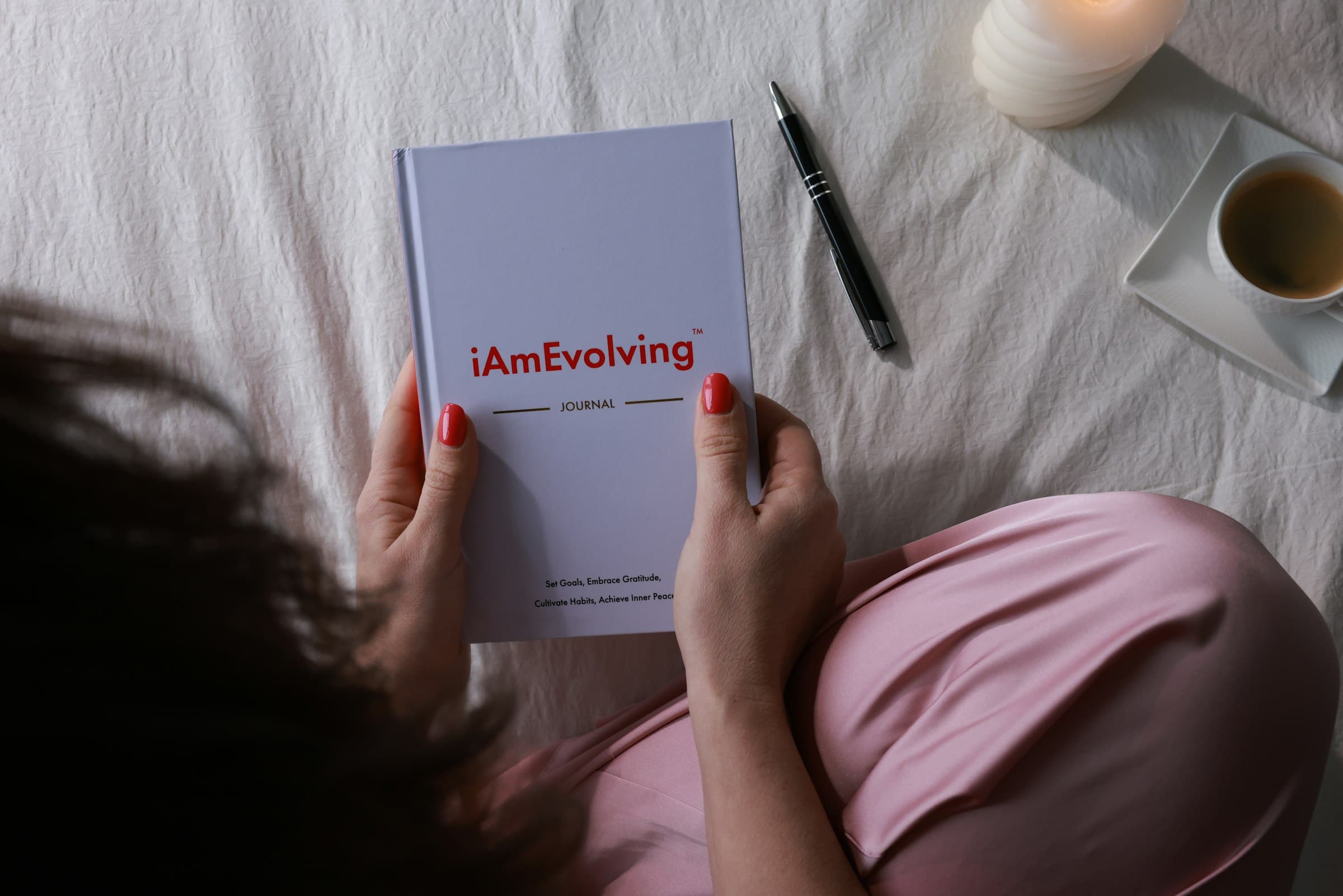


In the fast-paced rhythm of modern life, finding moments of stillness and inner understanding has become essential. Journaling, the practice of keeping a diary, emerges as a simple yet profound tool for cultivating mental clarity and fostering self-awareness. Beyond being a mere record of events, journaling invites us to explore our inner landscape, recognize thought patterns, and process emotions in a conscious and unhurried manner.
This ancient practice offers us a personal sanctuary where we can be honest with ourselves, without judgment or expectations. It is an intimate conversation that, over time, reveals the wisdom residing within us.
Clearing the Fog: How Journaling Helps You
|-
The act of putting our thoughts on paper has a transformative power. When we write, we compel our minds to organize ideas that might otherwise feel chaotic and overwhelming. This process of externalization allows us to see our problems and concerns from a new perspective, as if we were observing them from a safe distance.

Journaling is particularly useful for:
- Reducing stress and anxiety: By releasing recurring thoughts, we create mental space and lessen the emotional burden.
- Fostering self-compassion: It helps us understand and accept our imperfections and challenges.
- Identifying patterns: Over time, trends in our mood, fears, or joys are revealed, facilitating greater self-awareness.
- Improving decision-making: By clarifying our values and desires, we can choose paths more aligned with our true selves.
How to Start Your Journaling Practice
There is no single "right" way to journal, and that's part of its beauty. The important thing is to find a method that resonates with you and that you can maintain consistently. Here are some suggestions to take your first steps:
Find Your Space and Time
Look for a quiet place where you won't be interrupted and a time of day when you can dedicate yourself to writing without rushing. It can be in the morning, to set an intention for the day, or in the evening, to process the day's events and emotions.
Choose Your Tool
A notebook you like and a comfortable pen are sufficient. The tactile experience of writing by hand can be more connecting, but you can also opt for a digital journal if that's more practical for you. The essential thing is that you feel comfortable with your choice.

Allow Yourself to Be Free
There are no rules of grammar or style. Let your thoughts flow without censorship. You can write about what you feel, what worries you, your dreams, your gratitudes, or simply whatever comes to mind. Some people find it helpful to use prompts or guiding questions, such as: "What am I feeling right now?" or "What am I grateful for today?"
Be Consistent, Not Perfect
Ideally, try to write regularly, even if it's only for five minutes. Consistency is more important than duration. If you can't one day, don't judge yourself; simply pick it up the next day.
A Path to Serenity
Integrating journaling into your life is an act of self-care that invites you into a deeper, more understanding relationship with yourself. It is a humble practice that, over time, can unveil layers of your being and offer lasting calm. Just as in our wellness experiences or when living in our conscious residences, journaling encourages us to live with greater intention and presence.
Give yourself permission to explore this inner journey. The pages of your journal await you as a blank canvas for your self-discovery.