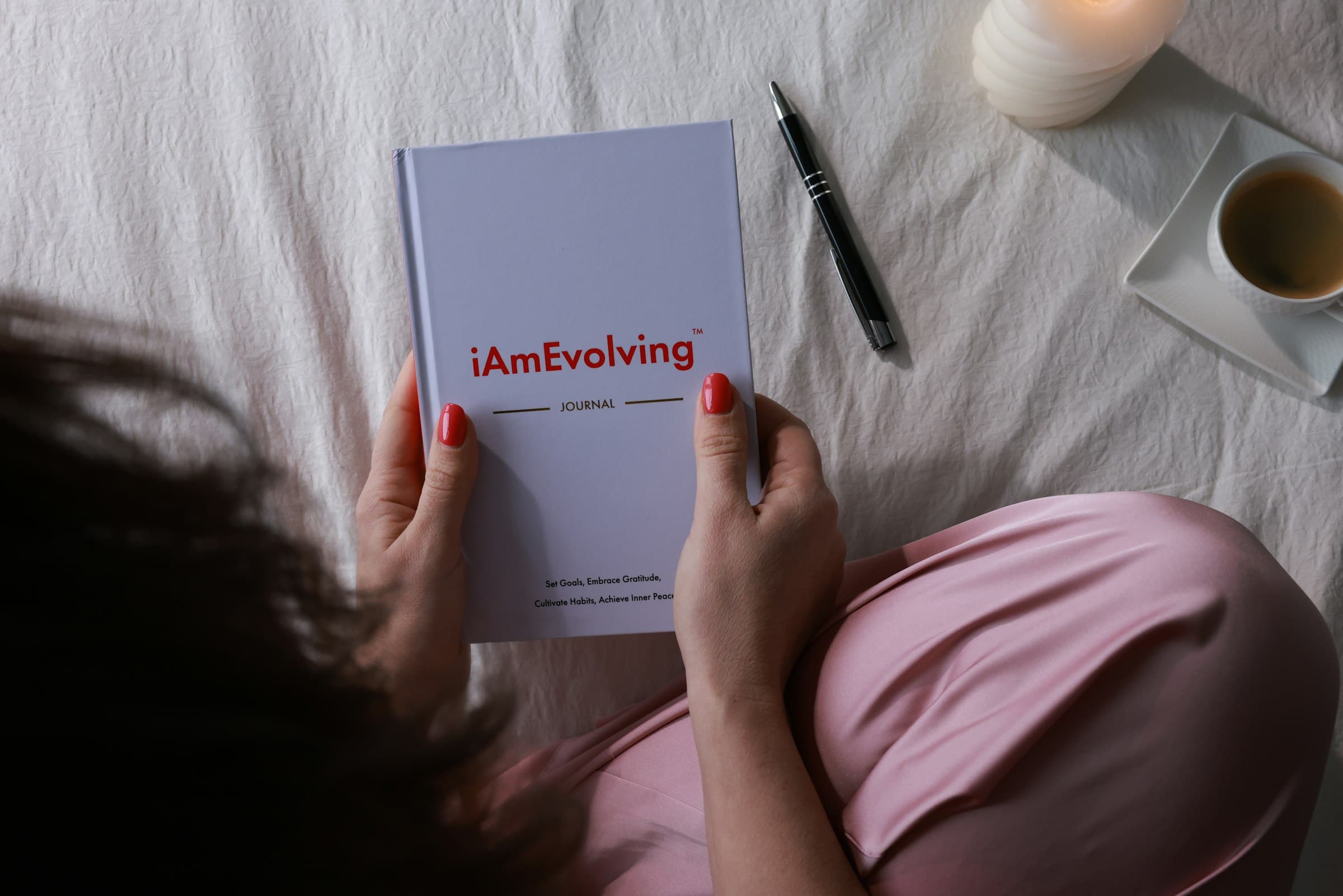


In the whirlwind of modern life, where thoughts often feel like scattered clouds, finding an anchor is essential. Journaling, or the practice of keeping a diary, emerges as a simple yet profound tool for cultivating mental clarity. Beyond being a mere record of events, it is a sacred space where your thoughts, emotions, and ideas can flow freely, without judgment, allowing you to observe and understand them from a new perspective. It is an intimate dialogue with yourself, a conscious pause that invites you to return to your center and recognize the richness of your inner world.

The art of naming the unnamable
Sometimes, emotions feel so complex that it's difficult to put them into words. Journaling offers you a canvas to paint your feelings, even when they don't have a clear name. By bringing them from the abstract space of your mind to the concreteness of paper, you begin to unravel them. This act of externalization is therapeutic; it's like emptying a messy drawer to see what's really inside. It allows you to identify patterns, recognize what nourishes you and what drains you, and ultimately, make more conscious decisions about your well-being.
Disarming mental noise
Do you ever feel like your mind is a whirlwind of worries and pending tasks? Journaling can be your "mute" switch. By writing, you transfer that mental load to paper. It's a way to free up space in your head, allowing calm to settle in. This practice can be especially helpful before bed, helping you achieve more restful sleep, or at the start of the day, to set a clear intention and a more focused mind.
How to start your journaling practice
There are no strict rules for journaling, and that's its beauty. It's about finding what resonates with you. Here are some ideas to get started:
- Choose your tool: It can be an elegant notebook, a simple one, or even a digital app. The important thing is that it invites you to write.
- Find your moment: Dedicate a few minutes each day. It can be in the morning with your first cup of tea, or at night before bed. Consistency is key, but so is flexibility.
- Don't censor yourself: Write whatever comes to your mind, without worrying about grammar, spelling, or coherence. This is a space for authenticity.
- Guiding questions: If you find it hard to start, you can use questions like: "How do I feel today?", "What worries me?", "What am I grateful for?", "What do I need to let go of?"
Journaling is not a magic solution to all challenges, but it is a faithful companion on the journey of self-discovery. It is a practice of patience, an act of self-love that connects you with your inner wisdom. We invite you to explore this tool and discover how it can enrich your life, providing greater mental clarity and a deeper connection with yourself. If you are looking for more ways to nourish your being, explore our experiences designed for holistic well-being.

Remember, this is your personal space. There's no right or wrong way to do it. Simply sit with your notebook and pen, and let your soul speak. With each word, you will be building a bridge towards greater understanding and inner peace. To delve into other wellness practices, visit our blog.