
In the whirlwind of modern life, home stands as our most intimate refuge. Beyond being a mere roof, it has the potential to become a sanctuary, a space where the soul can breathe and find stillness. Learning how to create a calm space at home is not a luxury but a fundamental necessity for our well-being, an anchor for the daily rhythm that invites introspection and deep rest.
Declutter to clarify: the art of simplicity
The first step towards a serene environment is often the most liberating: decluttering. A cluttered space can translate into a cluttered mind. It's not about extreme minimalism, but about intentionality. Look at your belongings with fresh eyes and ask yourself: does this bring me joy or functionality? Is it truly necessary? By eliminating the superfluous, you not only create physical space but also mental space. Allow air to circulate, light to spread, and your thoughts to settle.
This process can be gradual. Start with a small area, a corner, a bookshelf. Notice how you feel afterward and carry that feeling with you. Decluttering is an invitation to lightness, to honoring the essential.
The palette of tranquility: colors and textures
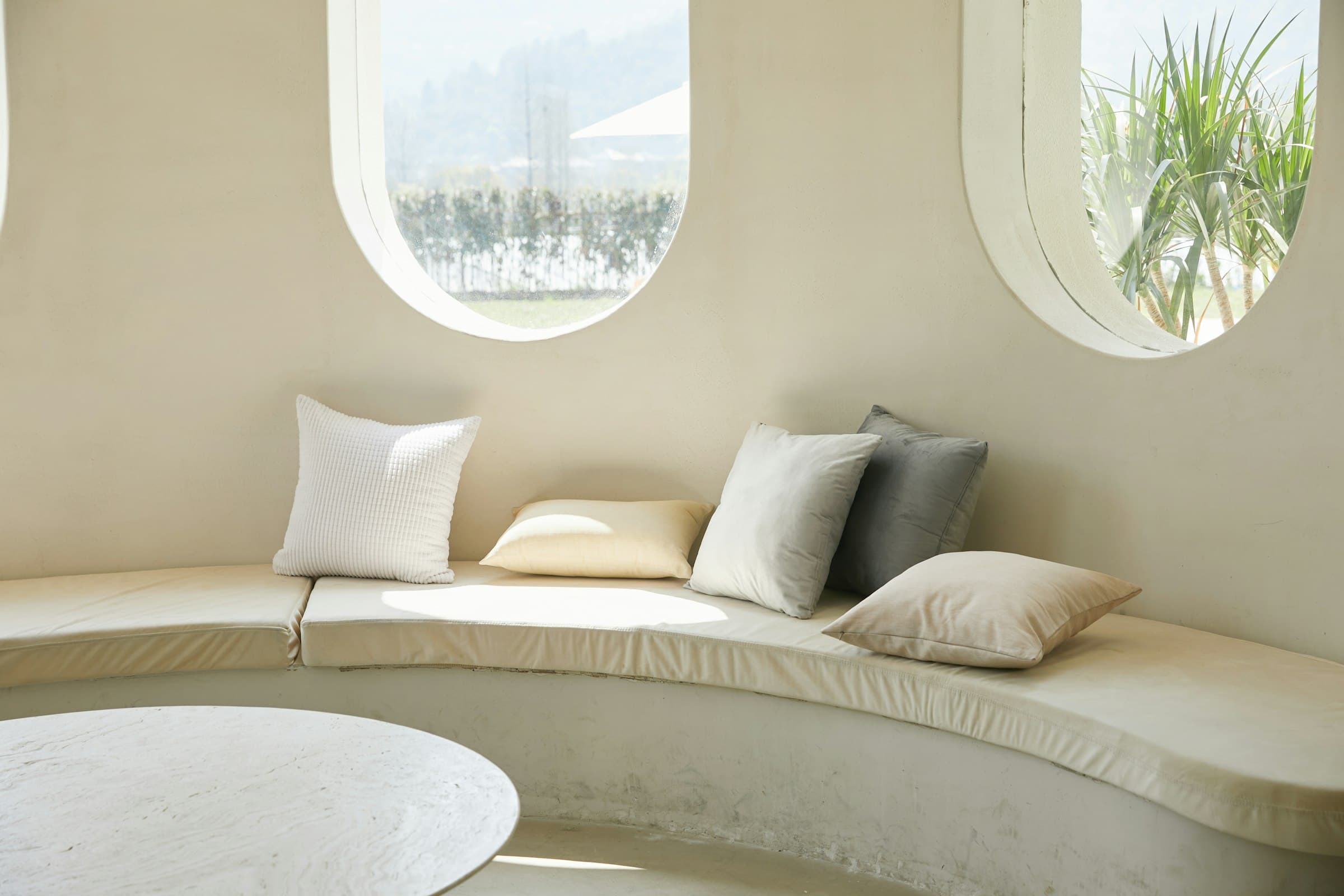
The colors and textures that surround us have a profound impact on our mood. To cultivate a calm space, lean towards a palette of neutral and soft tones: warm whites, pearl grays, earthy beiges, or muted blues and greens. These colors don't compete for your attention; instead, they invite relaxation.
Complement with natural textures: untreated woods, linen, organic cotton, wool. These materials are not only pleasant to the touch but also connect the space to the earth, adding a layer of authenticity and warmth. Think of woven blankets, soft cushions, or jute rugs that invite you to take off your shoes and feel.
Light as the architect of mood
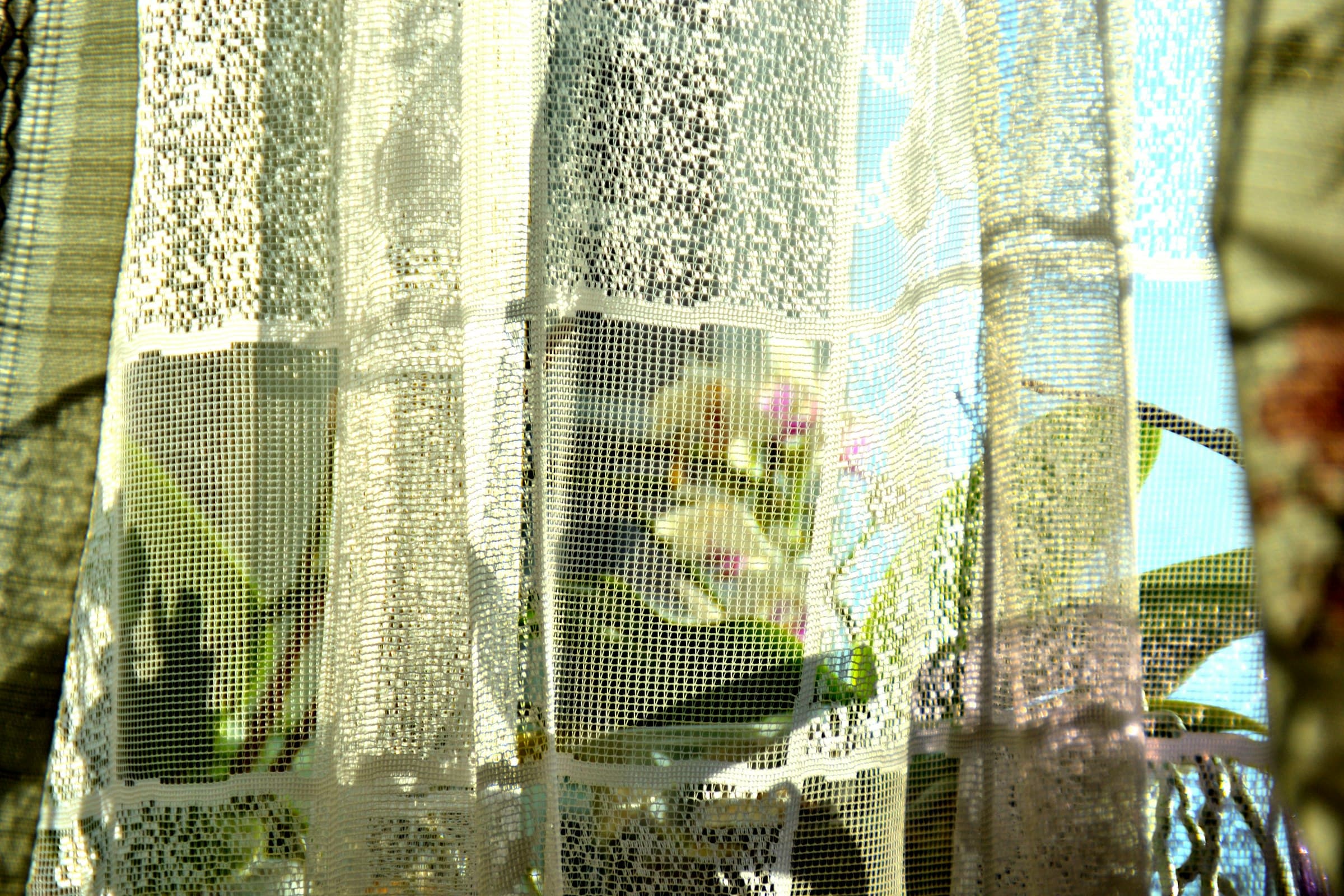
Lighting is a powerful tool to shape the atmosphere of your home. Make the most of natural light. Keep windows clear, use light curtains that diffuse sunlight without completely blocking it. During the day, allow natural light to flood your spaces, elevating your energy and connecting you with the outdoor cycle.
At night, avoid bright, cold light. Opt for warm, dim lighting. Table lamps with dimmers, candles (with caution), or soft string lights can transform a room into a haven of peace. Amber or yellow light mimics twilight and prepares the body for rest, promoting a sense of security and coziness.
Elements of nature: bringing the outdoors in
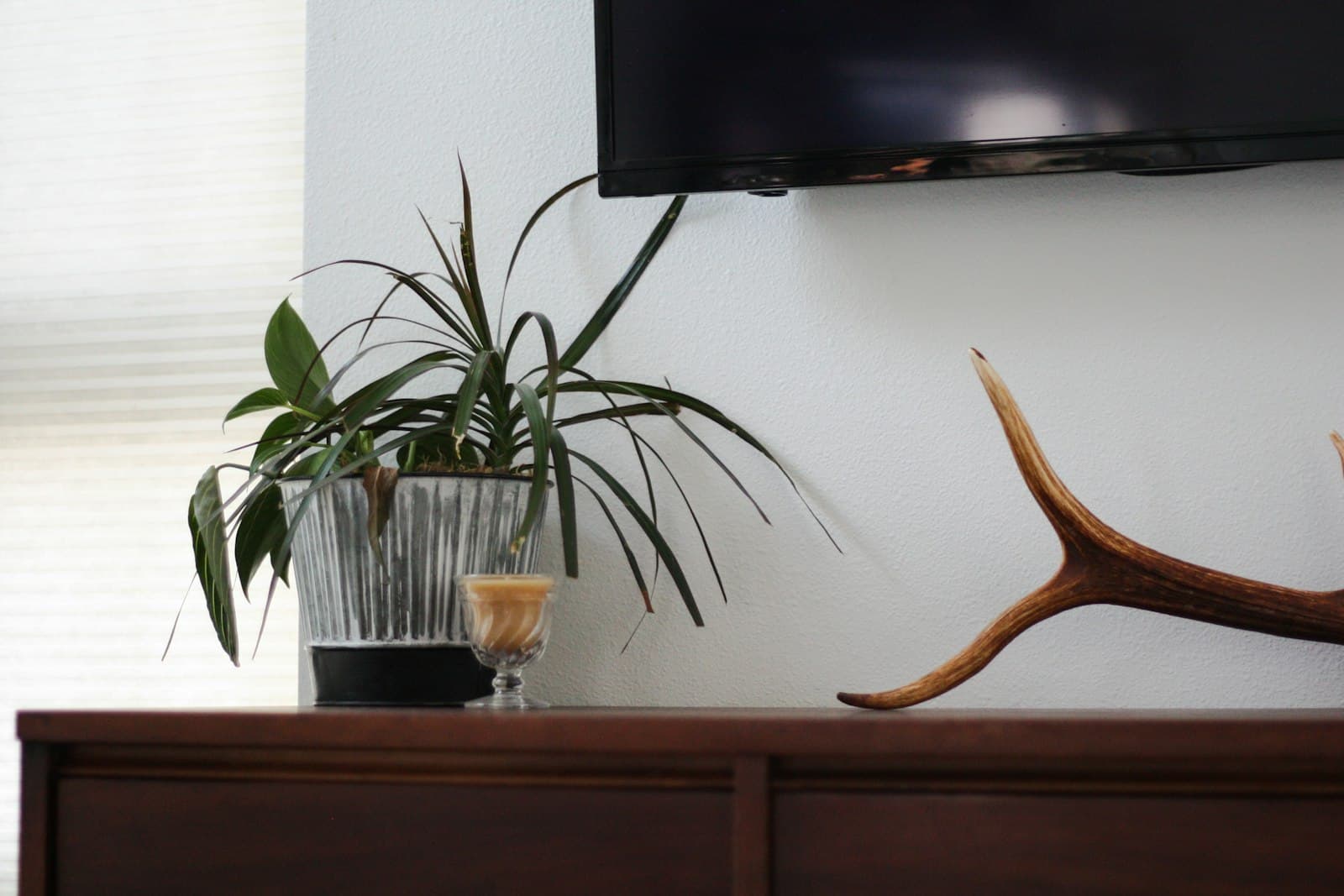
Incorporating natural elements is one of the most effective ways to infuse serenity into any space. Plants purify the air and provide life and color. Choose low-maintenance indoor plants that thrive in your environment, such as snake plants, pothos, or calathea. Place them strategically where they can be appreciated without obstructing pathways.
In addition to plants, consider elements like polished rocks, seashells, dried branches, or vases with fresh seasonal flowers. Small water features, if you enjoy them, can add a gentle, soothing sound. These touches not only beautify but also remind us of the intrinsic connection to the natural world, a pillar of our experiences in wellness.
Sound and scent: a balm for the senses
Silence is a luxury, but it's not always possible. If you live in a noisy environment, consider solutions like sound-absorbing panels, thick rugs, or even white noise machines or soft ambient music. Tranquil instrumental music or nature sounds can mask bothersome noises and create a bubble of peace.
Scents also profoundly influence our well-being. Use essential oil diffusers with fragrances like lavender for relaxation, bergamot to uplift the mood, or sandalwood for meditation. Avoid artificial air fresheners with harsh chemicals. An environment that smells clean and subtly perfumed with natural essences invites calm.
A calm space at home: your personal ritual
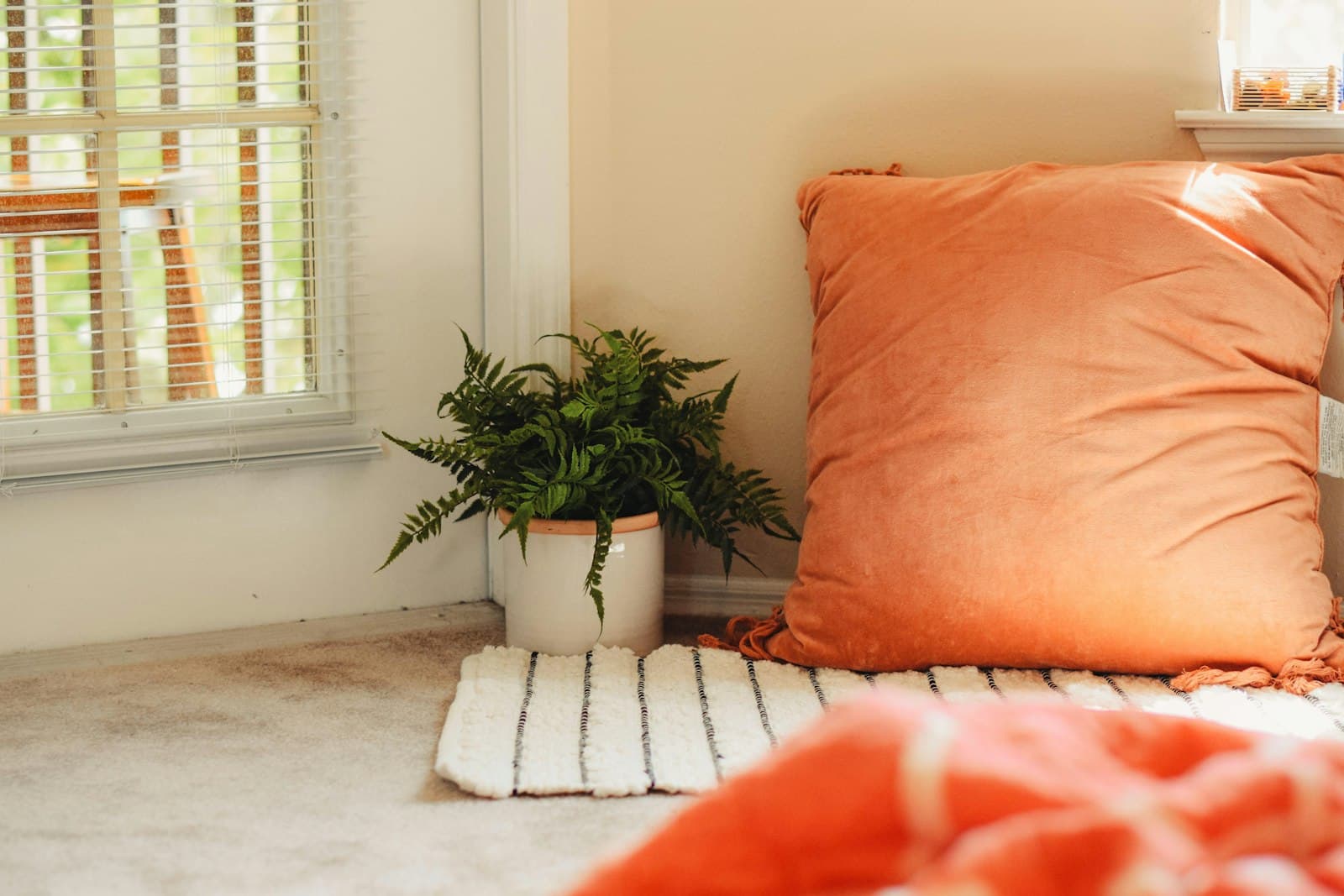
Finally, remember that your calm space is an extension of you. There are no strict rules, only invitations to explore. Perhaps a small meditation cushion, a reading nook with your favorite tea, or simply a comfortable chair where you can sit and observe. This is the place where you can practice mindfulness, read a book, or simply be. It's a reminder that, even on the busiest days, you have a sanctuary to return to, a place where you can cultivate your own well-being and recharge your energy. Exploring more about these concepts can lead you to our wellness blog.