
In modern life, often, haste envelops us before we even cross the threshold of our homes. However, your home has the potential to be an oasis, an anchoring point where external noise dissipates and the mind finds solace. This is not about an unattainable luxury, but a conscious choice to design your environment to be an ally for your well-being. Learning how to create a calm space at home is cultivating a personal sanctuary where you can recharge and connect with yourself.
The influence of our environment on our mood is profound. Colors, textures, light, and even order can affect our daily energy and our ability to relax. Dedicating time to transform your space is an investment in your mental and emotional health.
Natural light: a balm for the soul
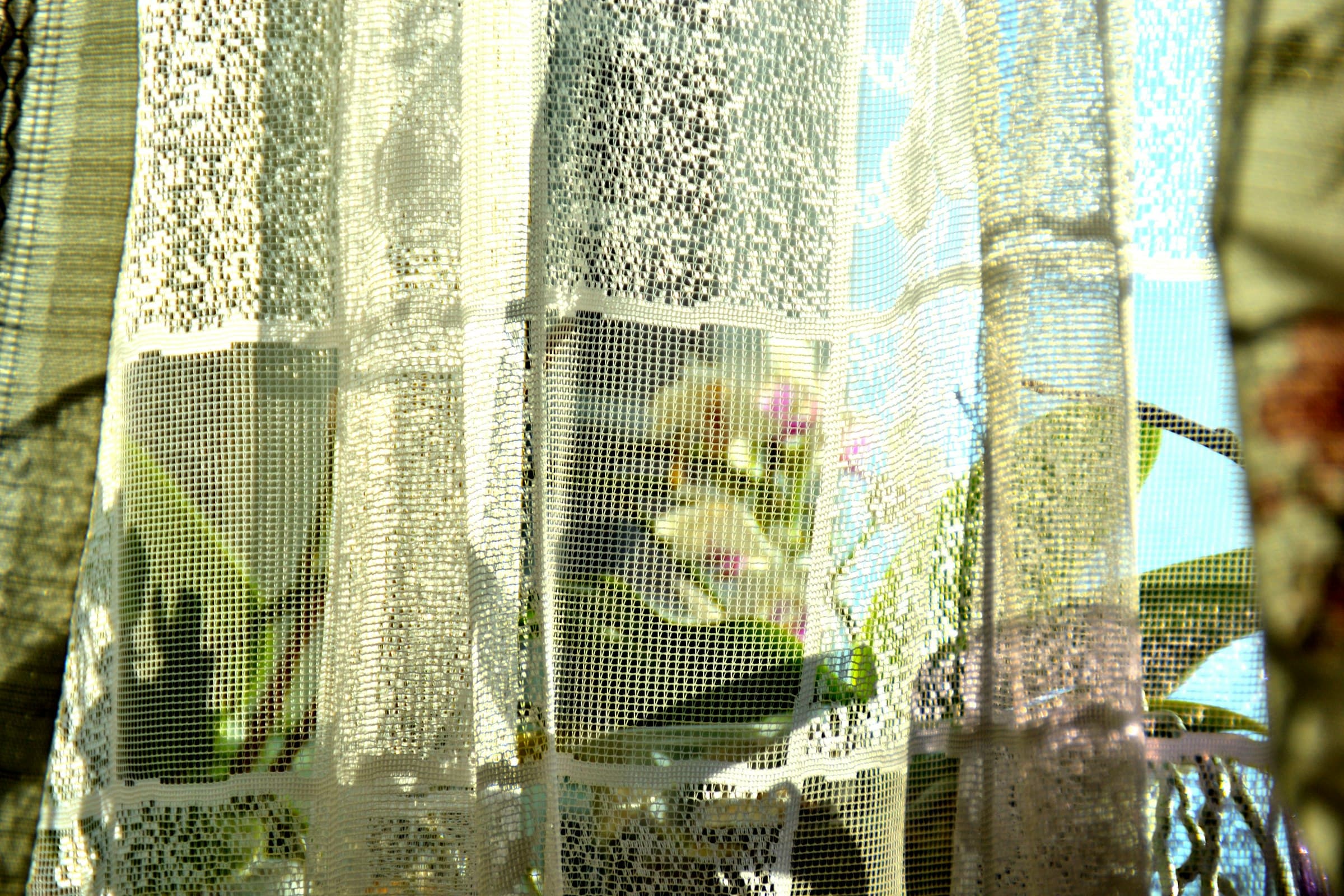
Light is one of the most powerful elements in shaping the atmosphere of a place. Whenever possible, prioritize natural light. Open curtains and blinds, allow the sun to enter your rooms. Daylight not only illuminates but also regulates our circadian rhythms, improving sleep and mood. If natural light is limited, opt for warm, dimmable lighting that mimics the softness of twilight. Avoid cold, fluorescent lights that can generate a sense of alertness or anxiety.
Colors and textures that whisper tranquility
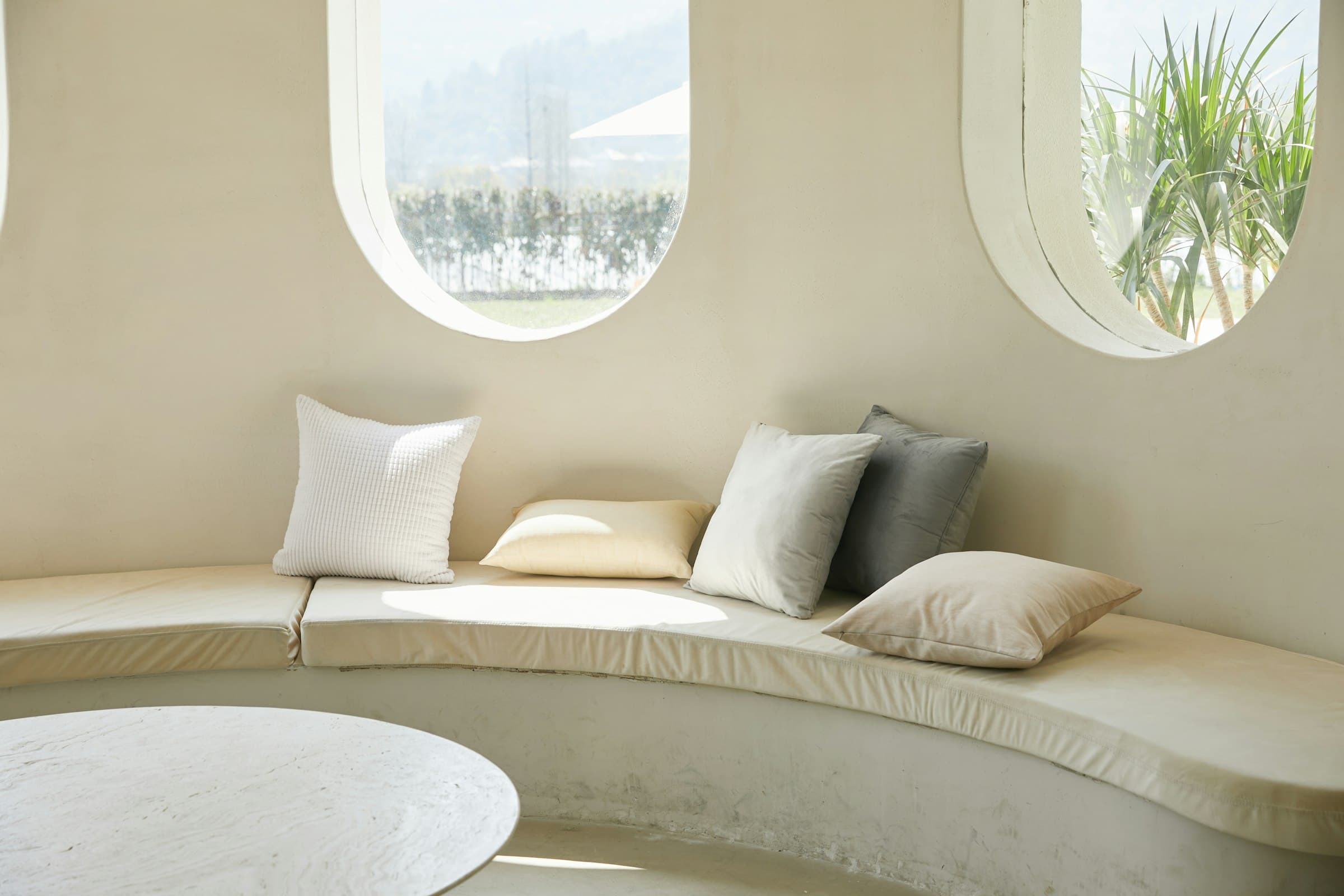
When choosing the color palette for your home, think of the serenity of nature. Neutral tones like beige, light gray, off-white, and soft greens have a calming effect. These colors act as a canvas that allows the mind to rest. Combine them with natural textures: woods, linens, cottons, wools. A jute rug, linen curtains, or wool cushions not only add visual warmth but also invite touch, connecting us with organic and peaceful sensations.
Declutter to clarify: the art of conscious minimalism
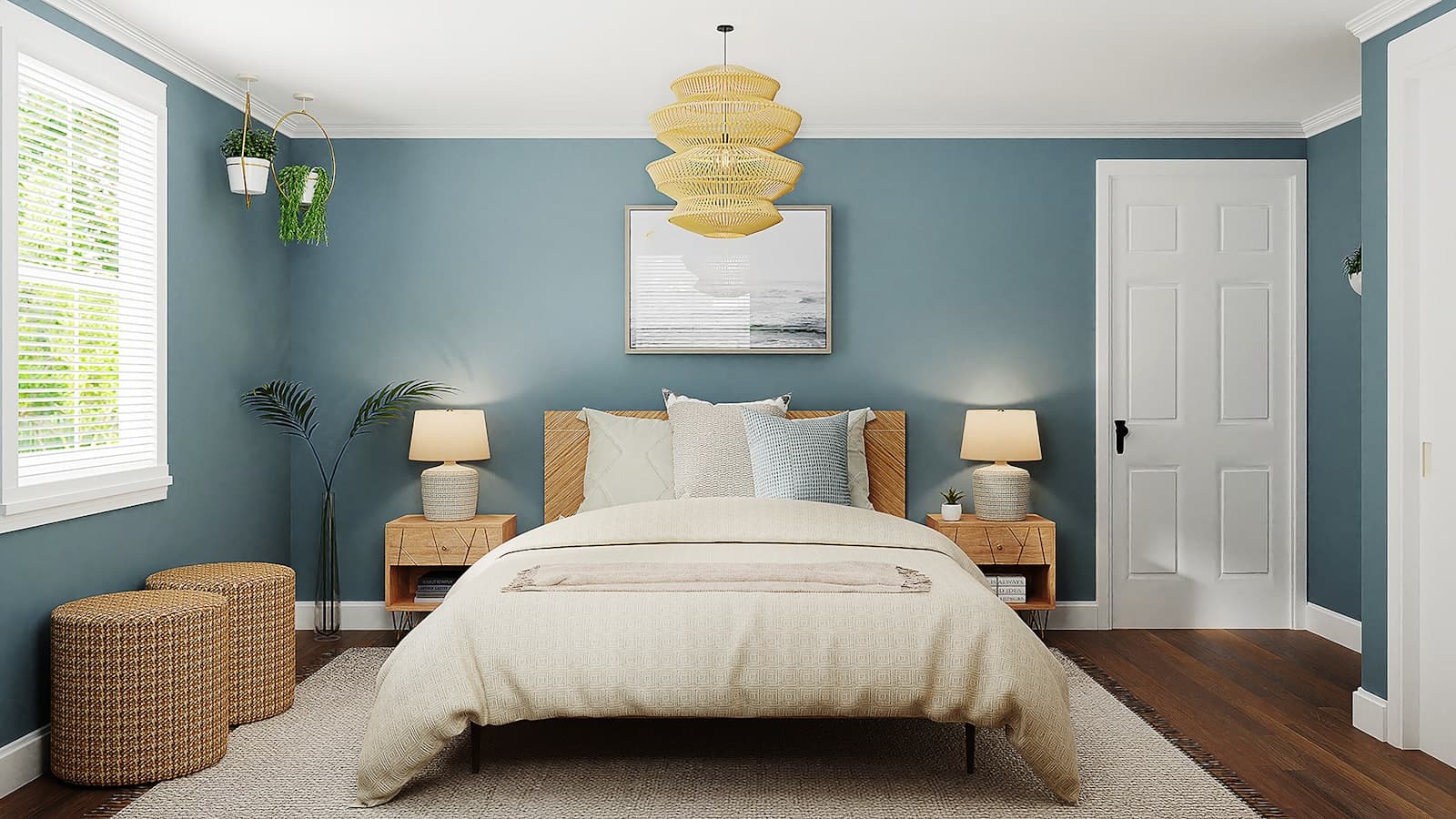
A tidy space is a reflection of a tidy mind. Visual clutter can be a constant source of subtle stress. It's not about living in a sterile space, but about keeping only what you love, what is useful to you, or what brings you beauty. Perform regular purges, put objects back in their place, and avoid unnecessary accumulation. Every object that enters your home should have a purpose or meaning. This exercise in detachment not only frees up physical space but also mental space. It is one of the keys to how to create a calm space at home.
The presence of life: plants and natural elements
Bringing nature indoors is an effective way to infuse calm. Plants not only purify the air but their mere presence connects us with the natural world, reducing stress and promoting a sense of well-being. Choose low-maintenance plants that thrive in your home. Additionally, you can incorporate natural elements like stones, shells, or dried branches that provide an organic connection to the earth. A small vase with fresh flowers can transform the energy of a room.
A corner for introspection
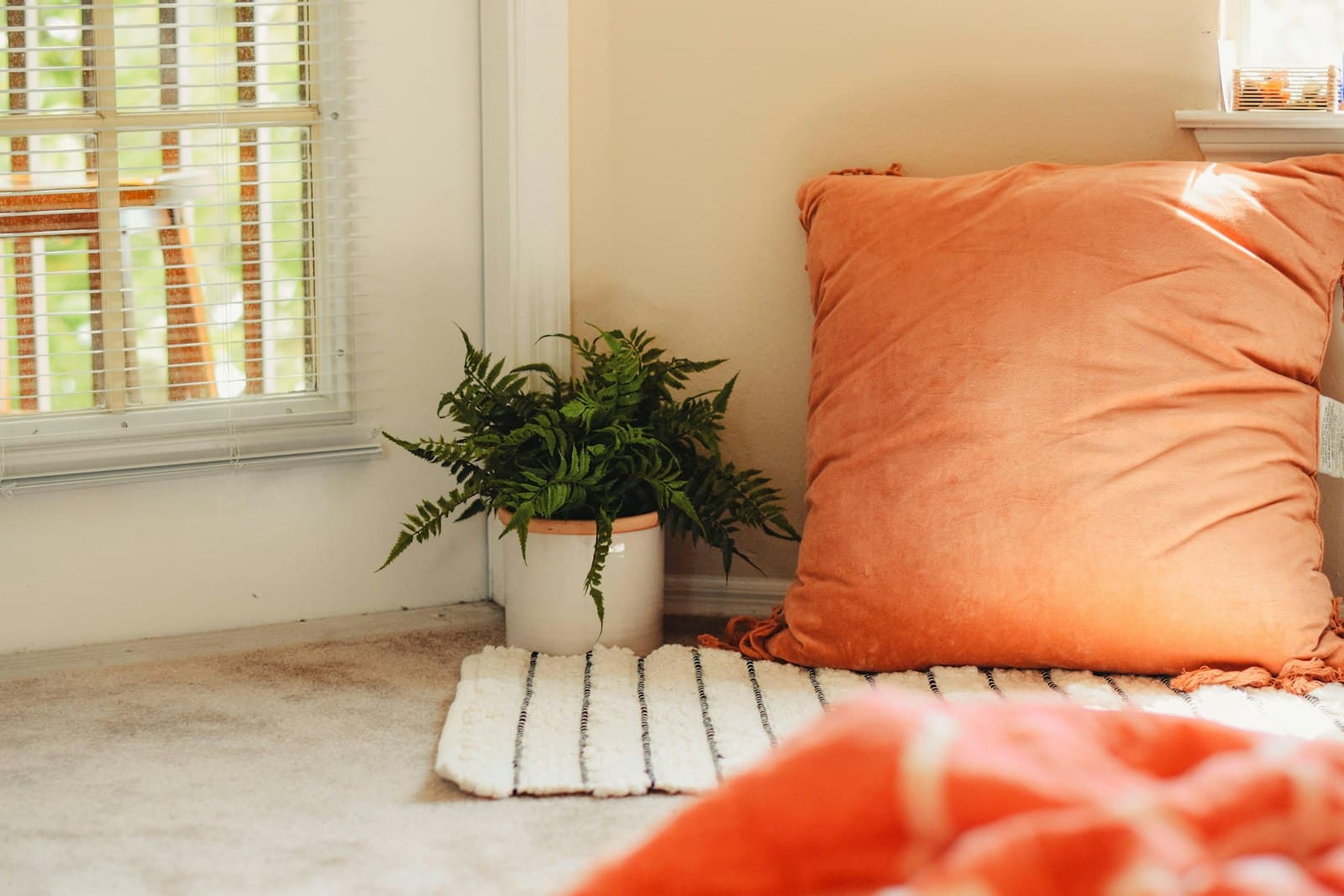
Even in the smallest homes, you can designate an exclusive corner for calm. It can be a comfortable chair by a window, a meditation cushion on the floor, or simply a space where you can sit in silence. This corner doesn't need to be large, it just needs to be yours and free from distractions. Use it for reading, meditation, conscious breathing, or simply observing the world go by. It's your daily invitation to stillness and contemplation. If you are looking for inspiration for these kinds of practices, we invite you to explore our experiences.
Creating a calm space at home is a continuous journey, not a destination. It's a commitment to your own well-being, a way to honor the need for quiet in a noisy world. By caring for your environment, you care for yourself, cultivating a sanctuary that sustains and nourishes you day after day.