
In the sometimes-accelerated rhythm of life, it's easy to feel overwhelmed. Those moments of everyday tension, from traffic to a work deadline, can spark anxiety. However, there's an incredibly powerful and always available tool that resides within you: your breath. Practicing conscious breathing for anxiety is not just a pretty phrase; it's a fundamental practice that can transform your response to stress.
Breathing is the bridge between the body and mind. While it's an automatic function, we can also deliberately influence it. By doing so, we can send signals to our nervous system that we are safe, dimming the 'fight or flight' response that is activated by anxiety. It's not about eliminating stress entirely, but about changing how we experience it and responding to it with greater calm and clarity.
The power of the exhale
While all parts of breathing are important, the exhalation plays a crucial role in relaxation. A longer-than-usual exhale activates the parasympathetic nervous system, responsible for our 'rest and and digest' state. When we feel anxious, our breathing tends to be shallow and rapid. By focusing on prolonging the exhale, we send a direct signal to our body to relax.
Think of it as a long, releasing sigh. As you slowly release the air, visualize how you also release accumulated tension. This simple technique can be practiced anytime, anywhere, whether at your desk, in the supermarket line, or before an important meeting.
Simple techniques for calm
You don't need to be a meditation expert to benefit from conscious breathing. Here are some techniques you can easily integrate into your day:
-
4-7-8 breathing: Inhale through your nose for a count of 4. Hold your breath for a count of 7. Exhale completely through your mouth (making a gentle 'whoosh' sound) for a count of 8. Repeat this cycle at least four times. It's one of the most effective techniques for calming the nervous system quickly.
-
Diaphragmatic (or belly) breathing: Place one hand on your chest and the other on your abdomen. As you inhale, feel your abdomen expand, while your chest barely moves. As you exhale, your abdomen gently contracts. This deep breathing maximizes oxygen exchange and is fundamental for relaxation. Practice it for a few minutes each day, and you'll see how your body learns to breathe more efficiently.
-
Box breathing: Inhale for a count of 4, hold for a count of 4, exhale for a count of 4, hold for a count of 4. Visualize the four sides of a box as you breathe. This technique helps focus the mind and regulate breathing rhythm.
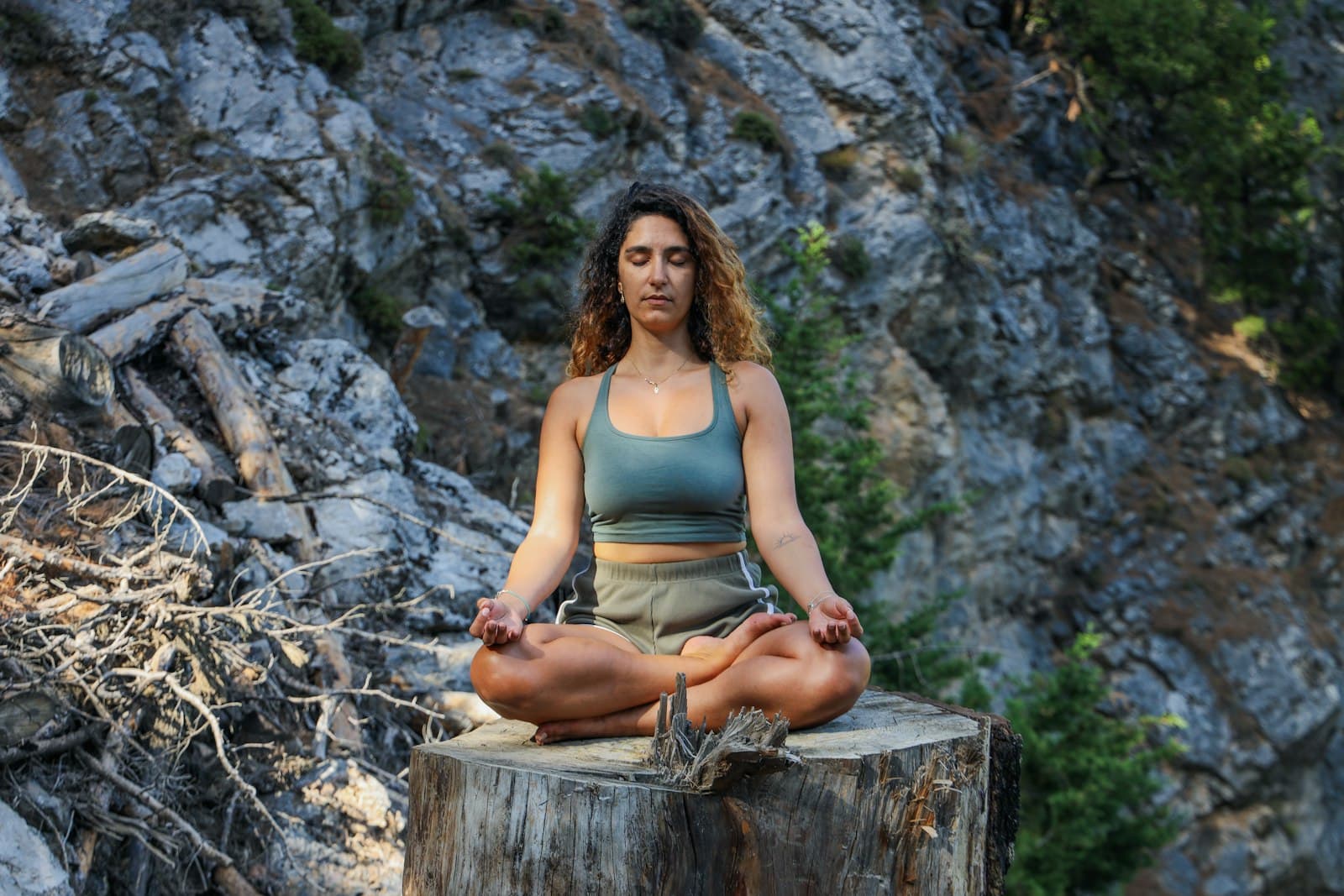
Integrating awareness into your life
The key is not to wait for anxiety to strike to use these tools, but to make conscious breathing a regular part of your routine. Start with a few minutes a day, perhaps upon waking or before bed. Over time, you'll notice you can draw on it more easily when a moment of tension arises. It's a skill that strengthens with practice, like any other.
Also consider how conscious breathing can complement other facets of your well-being. At Soulful, we believe in a holistic approach. Perhaps you'd be interested in exploring our retreat experiences where connection with nature and mindfulness practices deepen this awareness, or simply reading more on our blog about other tools for a serene life.
Every inhale is an opportunity to nourish yourself, and every exhale, to release what no longer serves you. Your breath is a gift, ever-present, waiting to be discovered as your personal anchor against the tides of life.