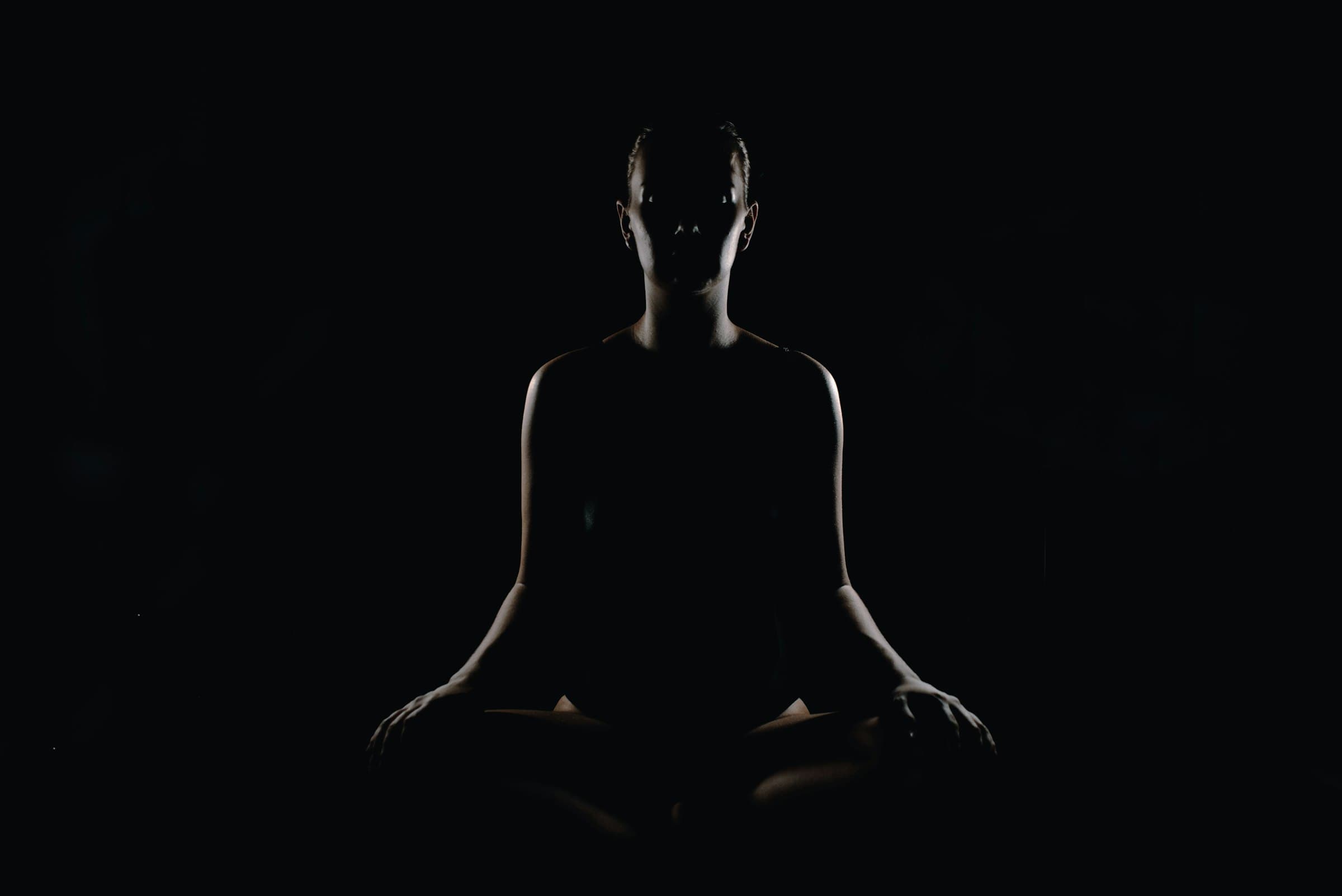


In the whirlwind of our daily lives, it's easy to feel tension build up, often manifesting as subtle or not-so-subtle anxiety. Emails, commitments, expectations; everything can contribute to a state of inner agitation. However, we have an innate and powerful tool at our disposal to regain calm: our own breath. Practicing conscious breathing for anxiety is not a magic solution, but a way to redirect our attention and activate our natural capacity for serenity.
Breathing is more than a vital function; it is a bridge between our body and mind. When we are anxious, our breathing tends to become shallow and rapid. By taking control of this process, we can send a clear signal to our nervous system that we are safe, allowing the relaxation response to take over.

A moment to pause
Imagine you are in the middle of a tense meeting or stuck in traffic. In those moments, the mind can race, projecting future worries. This is where conscious breathing becomes your best ally. It's not about controlling the mind, but about giving it an anchor point, a place to rest that is calm and constant: your breath.
Diaphragmatic breathing: your personal anchor
This technique, also known as abdominal breathing, is fundamental for activating the parasympathetic nervous system, responsible for relaxation. Here's how to practice it:
- Find a comfortable position: You can sit or lie down. Place one hand on your chest and the other on your abdomen, just below your ribs.
- Inhale slowly: Take air through your nose, feeling your abdomen gently rise. Try to keep the hand on your chest as still as possible.
- Exhale softly: Release the air slowly through your mouth, as if sighing. Feel your abdomen fall. The exhalation should be slightly longer than the inhalation.
- Repeat: Perform this cycle for 5 to 10 minutes. With practice, you'll be able to extend the time and apply it at any time of day, even without your hands on your abdomen.
The 4-7-8 rule: a balm for the nervous system
Developed by Dr. Andrew Weil, this technique is particularly effective for calming the mind and preparing the body for rest, or for use in moments of acute anxiety. It is based on controlled breath retention that helps oxygenate the body and slow the heart rate.
- Position: You can be sitting or lying down, with the tip of your tongue resting behind your upper front teeth, and keeping it there throughout the exercise.
- Exhale completely: Release all the air through your mouth, making a soft “shhh” sound.
- Inhale for 4 seconds: Close your mouth and inhale silently through your nose, counting mentally to four.
- Hold for 7 seconds: Hold your breath, counting mentally to seven.
- Exhale for 8 seconds: Exhale completely through your mouth, making the “shhh” sound and counting mentally to eight.
- Repeat: This is one cycle. Inhale again and repeat the cycle three more times, for a total of four breaths.
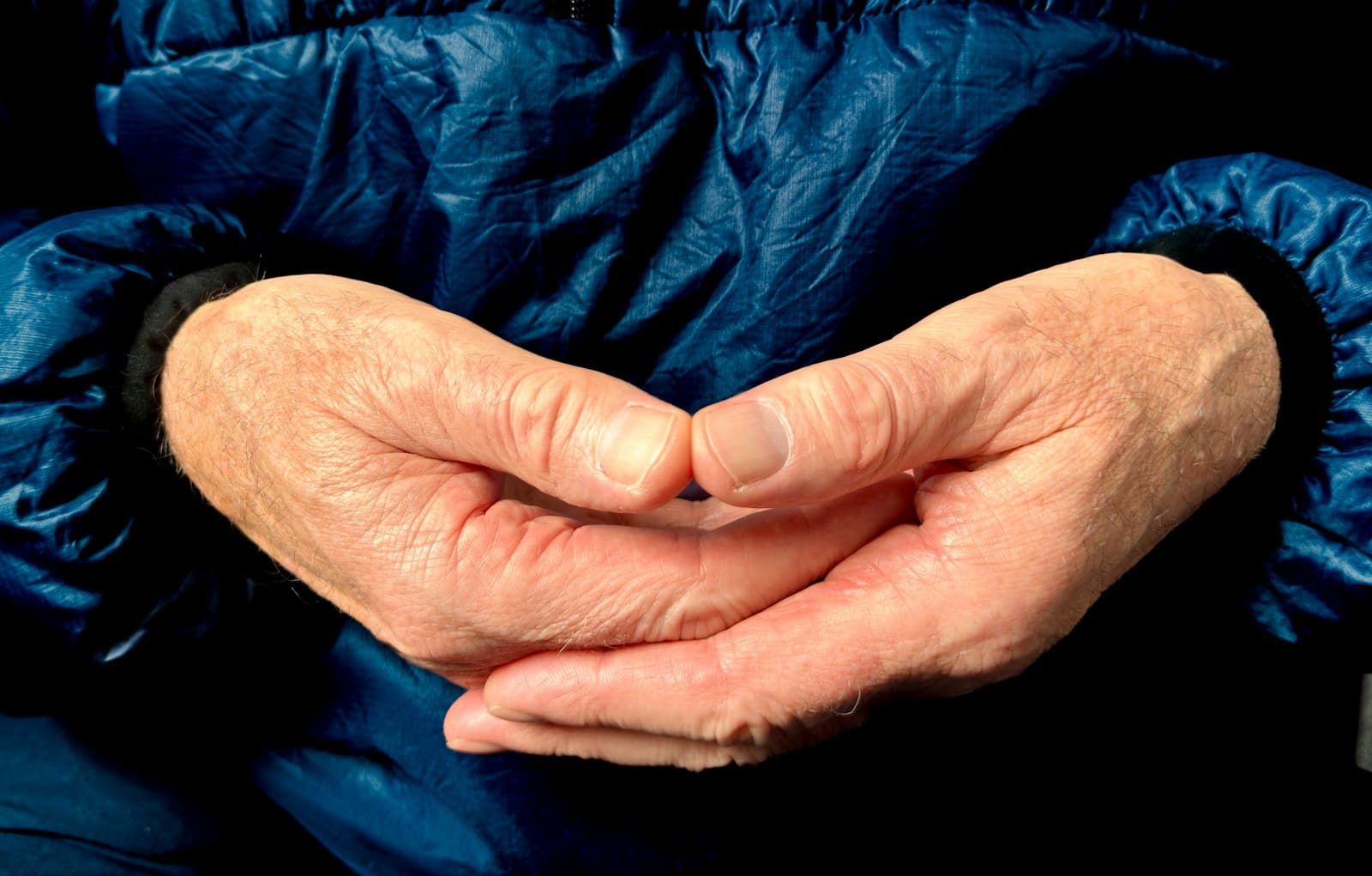
Integrating breathing into your life
The key is consistency. Don't wait until you feel overwhelmed to use these tools. Incorporate conscious pauses throughout your day. Perhaps upon waking, before an important task, or at the end of your day. Making conscious breathing a habit is an investment in your lasting well-being.
At Soulful, we believe that calm is a state that is cultivated. These techniques are just the beginning of a journey towards a more serene and connected life. If you're looking to deepen practices that nourish your being, we invite you to explore our wellness experiences or delve into more articles like this one on our blog. Inner peace is closer than you imagine, just a breath away.