
In the whirlwind of daily life, it's easy to feel overwhelmed. Small tensions accumulate, and before we know it, anxiety creeps in. We often seek complex solutions, but sometimes the most powerful tool is right under our nose: our breath. Learning to use conscious breathing for anxiety doesn't require much time or preparation; it's an innate skill we can refine to find a haven of peace anytime, anywhere.
Breathing is the bridge between our body and mind. Shallow, rapid breathing, common when we're stressed, activates the 'fight or flight' response. Conversely, slow, deep breathing sends a signal to the brain that we are safe, activating the parasympathetic nervous system, responsible for relaxation and recovery.
Your anchor in the present
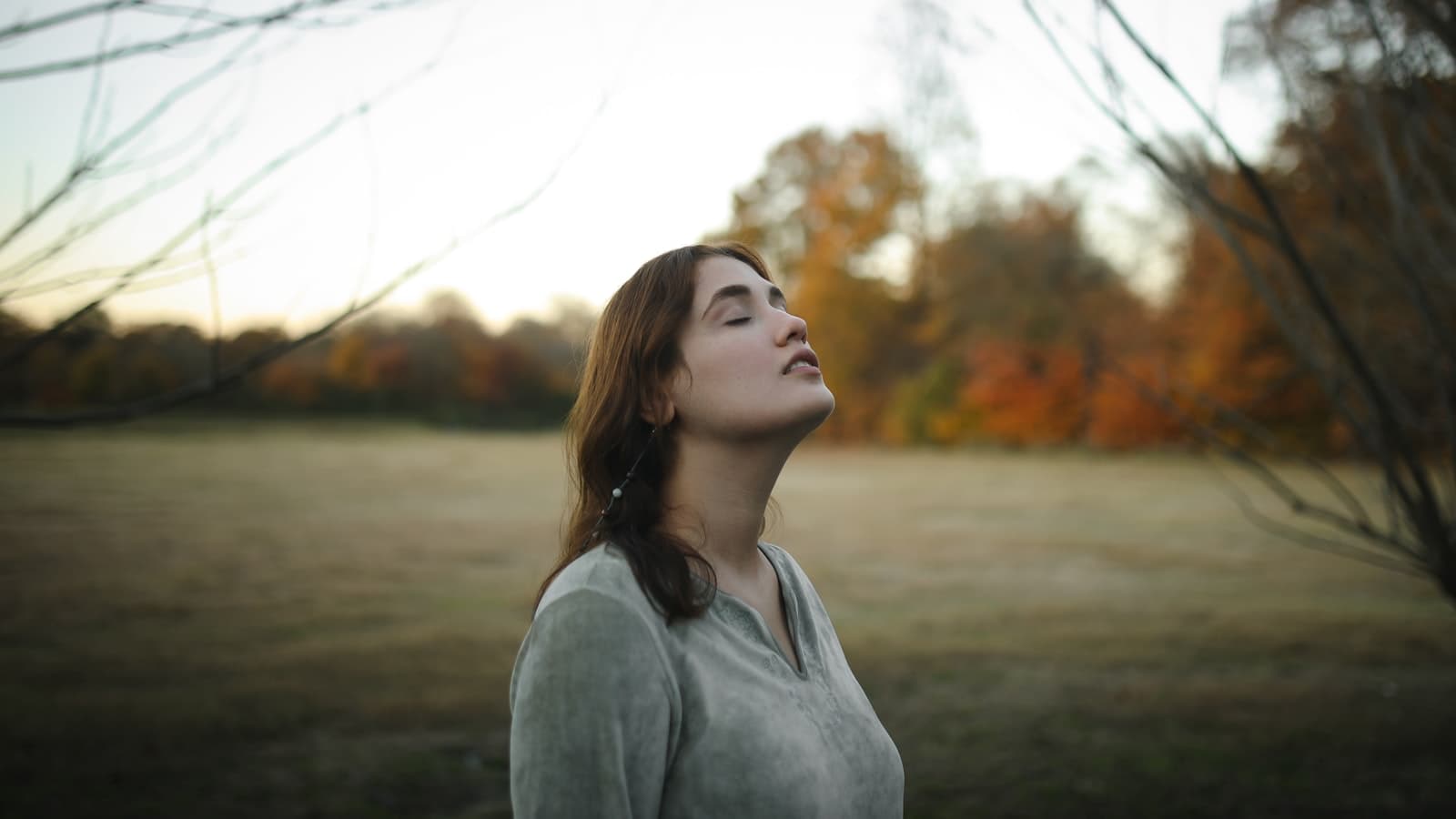
The simple act of paying attention to how air enters and leaves our body anchors us in the present moment. When we are anxious, the mind tends to wander to the past or worry about the future. Conscious breathing brings us back to the here and now, a space where anxiety has less power. It's not about completely eliminating anxiety, but about developing the ability to respond to it with greater serenity and clarity.
Diaphragmatic breathing: your most effective tool
This technique is fundamental for activating the relaxation response. Unlike shallow chest breathing, diaphragmatic (or abdominal) breathing fully uses the diaphragm, a large muscle located at the base of the lungs. By doing so, oxygen is distributed more efficiently, and the vagus nerve is stimulated, which calms the nervous system.
To practice it, sit or lie down comfortably. Place one hand on your chest and the other on your abdomen. Inhale slowly through your nose, feeling your abdomen rise while your chest remains relatively still. Exhale slowly through your mouth or nose, feeling your abdomen contract. Concentrate on the sensation of air entering and leaving, and on the movement of your abdomen. Try to make the exhalation slightly longer than the inhalation.
Box breathing: structure in calm
Box breathing, also known as sama vritti pranayama in Sanskrit, is a simple and effective technique to calm the mind and body. It offers a structure that helps the mind concentrate and establish a consistent rhythm.
To practice it, visualize a square. Inhale through your nose counting to four. Hold your breath counting to four. Exhale slowly through your nose counting to four. Hold your lungs empty counting to four. Repeat this cycle several times. You can adjust the count to three or five if four is too long or short for you. The key is that each phase has the same duration.
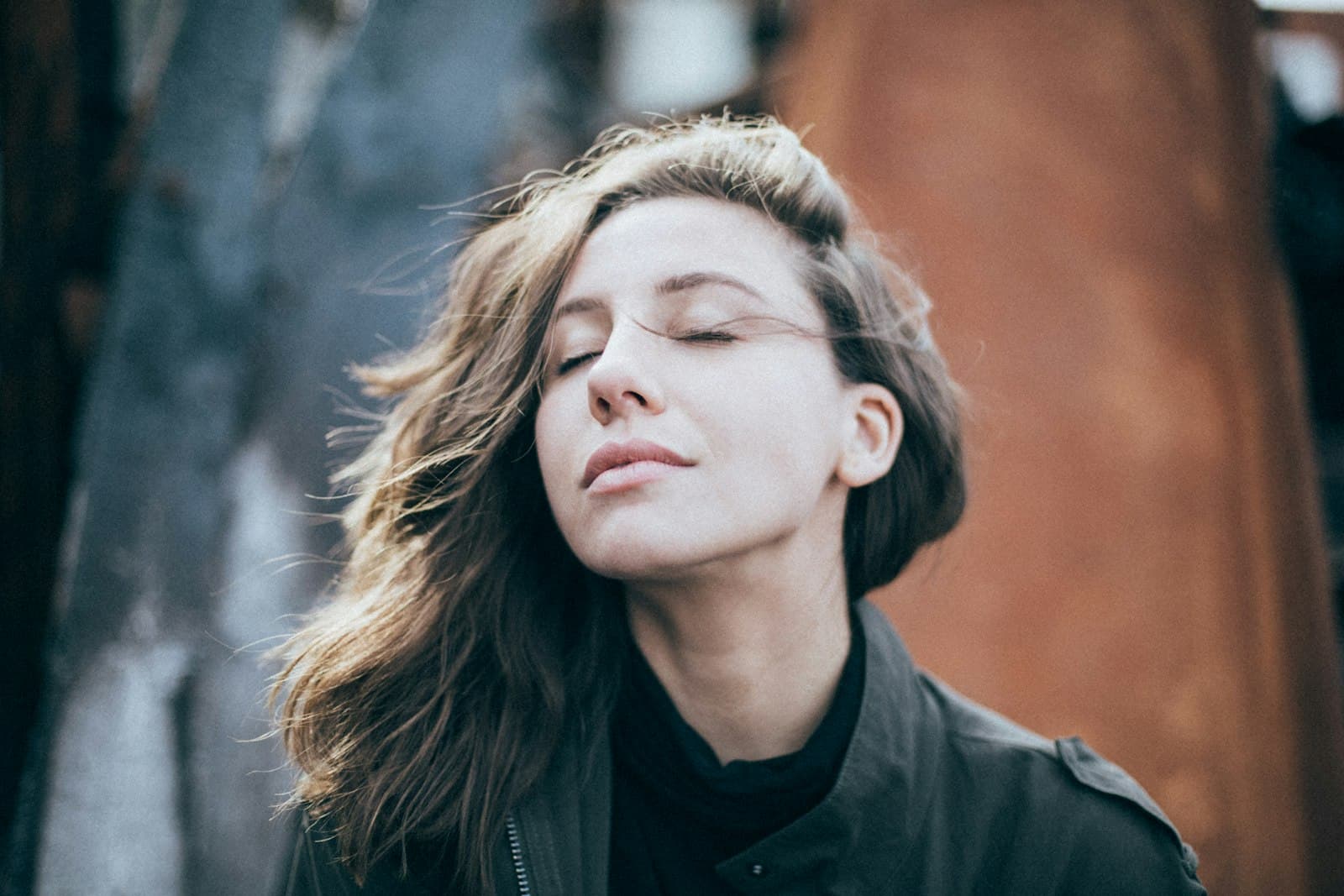
Incorporating breathing into your day
You don't need a special space or moment for these practices. You can use them in the middle of a stressful meeting, before an important presentation, in traffic, or simply when you feel tension starting to build up. They are discreet and powerful tools. Dedicating a few minutes each day to these practices can transform your relationship with stress and anxiety.
At Soulful, we believe that well-being is a constant path of connection with oneself. Explore more about how to integrate these practices into your life and find greater balance in our wellness experiences and on our blog. Your breath is an inexhaustible resource of calm that is always with you, waiting to be discovered and used for your well-being.