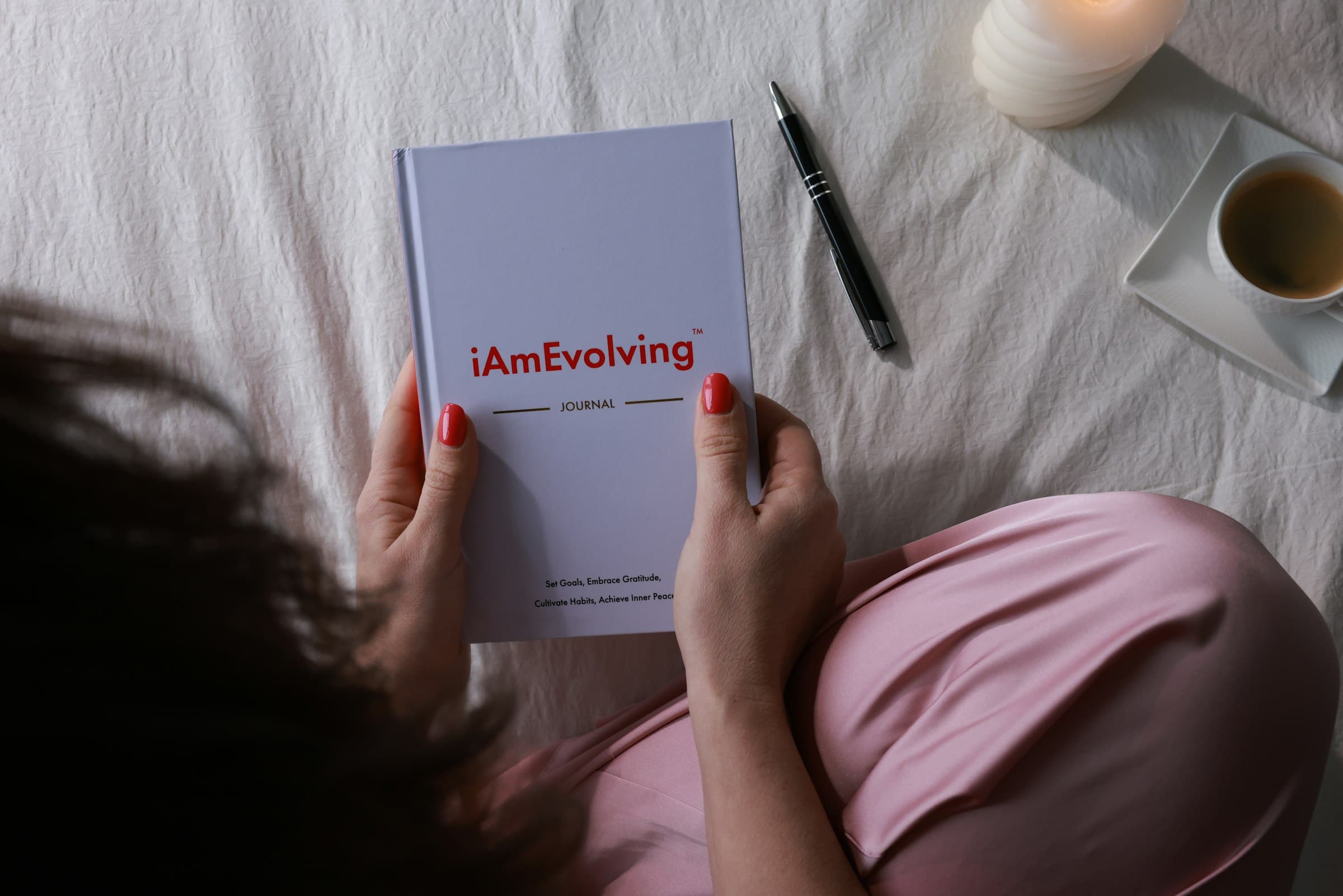


In modern life, rest is often perceived as a luxury or a break from productivity. However, at Soulful, we believe it is the very foundation of holistic well-being. Understanding sleep hygiene and genuine rest is not just a practice, but a philosophy of life that honors the body's and mind's natural cycles. It's not about sleeping more, but about sleeping better, so that each night is truly restorative.
Sleep is not lost time; it is an active process where our body repairs itself, our mind processes information, and our emotions recalibrate. When rest is deficient, all areas of our lives suffer: from concentration and mood to physical health and resilience.

The importance of a conscious sleep routine
Establishing a routine is an act of self-care that prepares your body for the transition from day to night. This goes beyond a fixed bedtime and wake-up time, although that's an excellent starting point. A conscious routine involves creating an environment conducive to rest and adopting habits that signal to your nervous system that it's time to slow down.
Consider dedicating the last hour before sleep to quiet activities. This could include reading a physical book, listening to soft music, meditating, or practicing breathing exercises. Avoid screens (phones, tablets, televisions) for at least an hour before bed, as blue light interferes with the production of melatonin, the sleep hormone.
Creating your sanctuary of rest
The environment in which we sleep plays a crucial role in the quality of our sleep. Think of your bedroom as a sanctuary, a space dedicated exclusively to rest and intimacy. Keep the room dark, cool, and quiet. Small adjustments can make a big difference:
- Darkness: Use blackout curtains or an eye mask. Even a small amount of light can disturb the sleep cycle.
- Temperature: A temperature between 18 and 20 degrees Celsius (64-68 Fahrenheit) is usually ideal for most people.
- Silence: Consider earplugs or a white noise machine if you live in a noisy environment.
- Order and cleanliness: An organized space contributes to a calmer mind.

Nutrition and movement for sleep
What you eat and how you move during the day also impacts your nightly rest. Avoid heavy meals, caffeine, and alcohol close to bedtime. While alcohol can initially induce drowsiness, it disrupts deep sleep later in the night. Opt for a light dinner and, if necessary, a relaxing herbal tea.
Regular physical activity is essential, but timing is key. Vigorous exercise too close to bedtime can be counterproductive. Try to schedule your workouts in the morning or early afternoon. Gentle stretching or restorative yoga in the evening, however, can be very beneficial.
Mindfulness and sleep quality
The mind is often the biggest obstacle to restorative sleep. Worries, to-do lists, and racing thoughts can keep us awake. This is where mindfulness practices can be transformative. Dedicating a few minutes before sleep to a guided meditation, a body scan, or simply observing your breath can help calm the mind and anchor you in the present. This not only facilitates the onset of sleep but can also improve the quality of deep sleep.
Integrating these practices into your daily life is not just a path to better sleep, but to a fuller, more conscious life. At Soulful, we believe in cultivating well-being that is nurtured from its roots, and rest is, without a doubt, one of the deepest. We invite you to explore more about integrating well-being into your daily life through our experiences or our blog articles.