


In modern life, we often view sleep as a luxury or a necessary pause between tasks. However, true rest is much more than that; it is a fundamental pillar for our physical, mental, and emotional well-being. It's not just about the number of hours we sleep, but the quality of that sleep, a concept that sleep hygiene and true rest invites us to explore in depth. Adopting conscious practices that prepare our body and mind for rest is an act of self-respect, an investment in our daily vitality.

The circadian rhythm, our internal biological clock, dictates when we should feel awake and when we should prepare for sleep. Proper sleep hygiene synchronizes our routines with this natural rhythm, strengthening our ability for deep, restorative rest. When we ignore these signals, whether due to irregular schedules, blue light exposure, or stress, we unbalance the system, affecting everything from our mood to our cognitive function.
Beyond hours: the quality of sleep
Not all hours of sleep are equal. It is possible to sleep eight hours and still feel exhausted if the quality of sleep was not optimal. True rest involves spending enough time in the different sleep phases, including deep sleep (slow-wave) and REM sleep, each with specific restorative functions. Deep sleep is crucial for physical recovery and memory consolidation, while REM sleep is essential for emotional processing and learning.
Rituals that invite calm
Creating a nighttime routine is one of the most powerful tools for improving sleep hygiene. This doesn't have to be complicated. It can be as simple as turning off screens an hour before bed, reading a physical book, taking a warm bath, or practicing gentle stretches. These activities signal to our body that it's time to slow down and prepare for rest. Avoiding caffeine and alcohol consumption near bedtime is also key, as both substances can fragment sleep and reduce its quality.
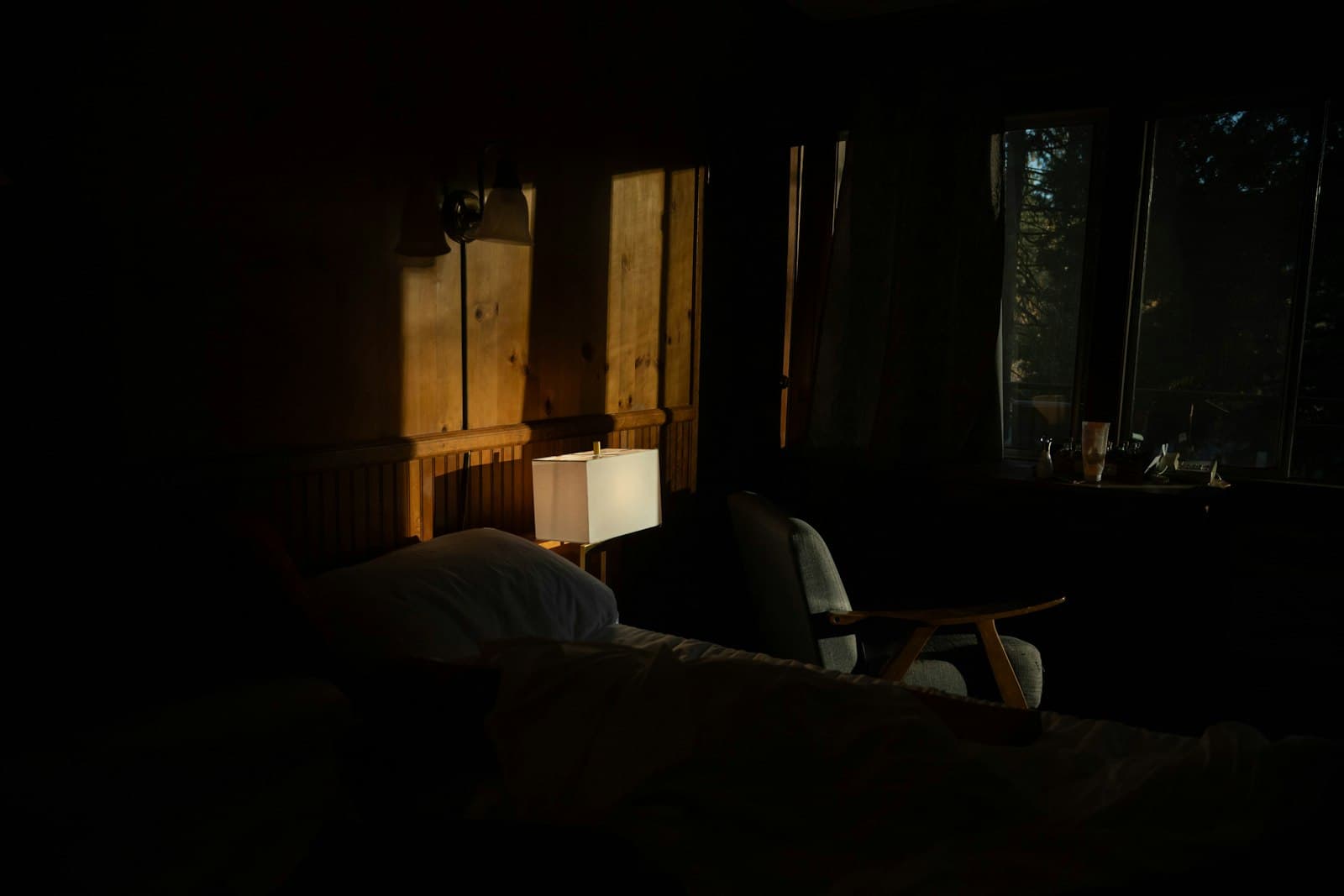
The environment in which we sleep plays a crucial role. A dark, cool, and quiet bedroom is a sanctuary for sleep. The ideal temperature is usually between 18 and 20 degrees Celsius (64-68 Fahrenheit). Blocking external light with blackout curtains and minimizing noise with earplugs or a white noise machine can make a big difference. Additionally, ensuring your mattress and pillow are comfortable and suitable for you is a direct investment in your well-being. For those looking to deepen these practices, our wellness experiences often include workshops on optimizing the environment for rest.
The impact of rest on daily life
When we prioritize sleep hygiene, the benefits extend to all aspects of our lives. We improve our concentration, creativity, and problem-solving abilities. Our stress response becomes more resilient, and our immune system is strengthened. Good rest helps us regulate our emotions better, which translates into more harmonious relationships and a more positive outlook on challenges.
Integrating these practices into our lives is not just another task on the list, but a commitment to our holistic health. It's recognizing that rest is not wasted time, but invested time that recharges us and allows us to live with greater fullness and presence. At Soulful, we believe that the path to a more conscious life begins by honoring our body's fundamental needs, and sleep is, without a doubt, one of the most important. If you wish to explore further how to integrate these practices into your lifestyle, we invite you to visit our blog section where you will find more resources on wellness and conscious living.