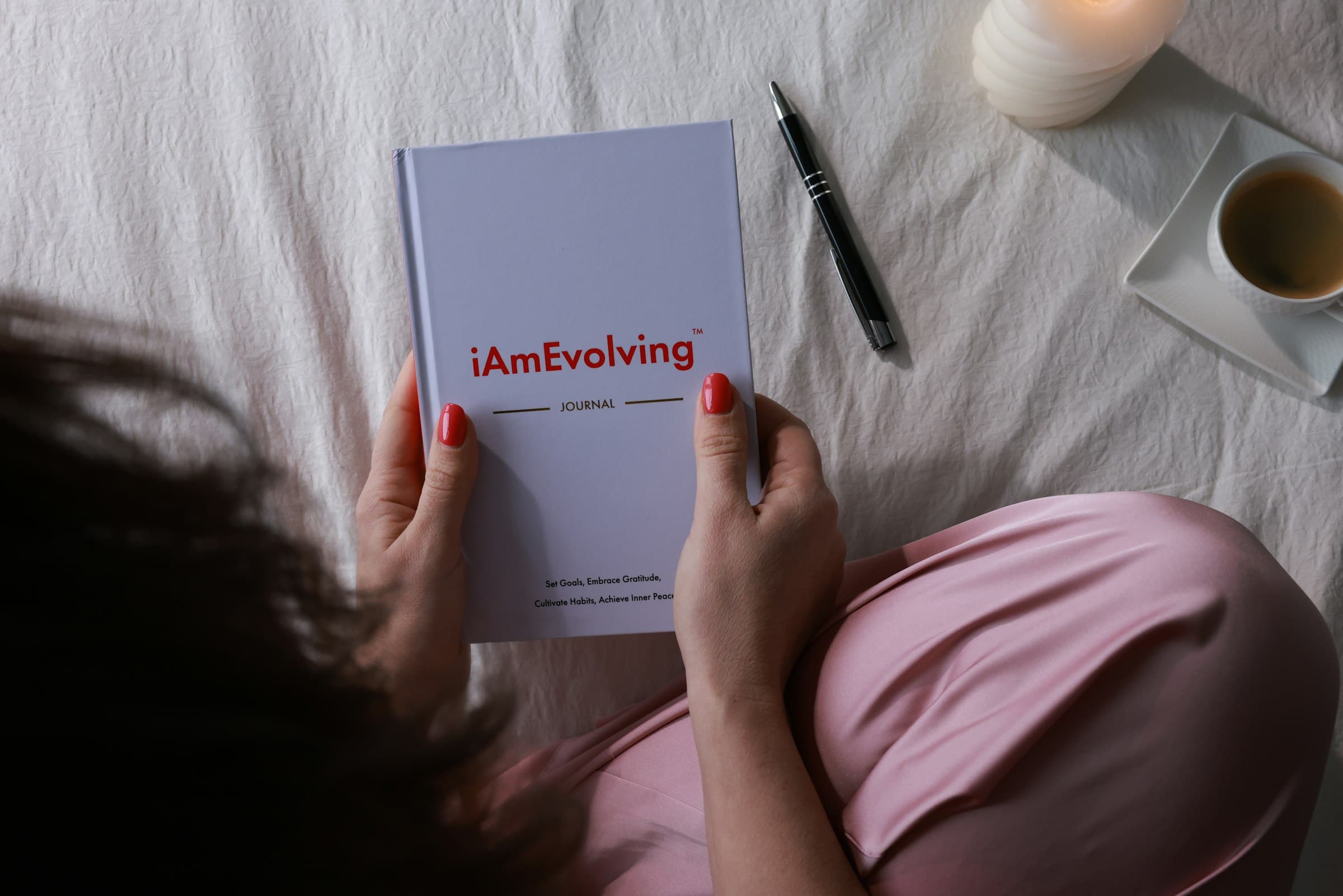


In modern life, we often view rest as a luxury or a reward we earn after strenuous effort. However, at Soulful, we believe that rest is not an extra, but the indispensable foundation upon which a life of complete well-being is built. Sleep hygiene and true rest are vital components for physical, mental, and emotional health, allowing our energy to renew and our minds to find clarity.
The natural sleep cycle is a complex biological process, designed to restore the body and consolidate memory. Neglecting it not only leaves us with dark circles but also affects our concentration, mood, and resilience to stress.

Beyond hours: what is true rest?
Sleeping a specific number of hours does not always equate to deep rest. True rest implies quality, not just quantity. It's about allowing the nervous system to fully relax, the body to repair itself, and the mind to calm down. This goes beyond the mere absence of activity and delves into a state of genuine recovery.
To cultivate this kind of rest, it is essential to consider not only our sleep hours but also how we live our waking hours. The way we nourish ourselves, manage stress, and interact with our environment directly influences the quality of our repose.
Creating your nightly sanctuary: sleep hygiene as a conscious practice
Sleep hygiene refers to the set of habits and practices necessary for regular good quality sleep. It is not a list of rigid rules, but an invitation to observe and adjust our lifestyle to honor our body's innate needs. Here are some practices you can integrate:
- Establish a consistent sleep schedule: Try to go to bed and wake up at the same time every day, even on weekends. This helps regulate your biological clock.
- Optimize your sleep environment: Make sure your bedroom is dark, quiet, and cool. Consider blackout curtains, earplugs, or a white noise machine if necessary.
- Unplug before bed: The blue light from cell phones, tablets, and computers can interfere with melatonin production. Try to disconnect at least an hour before going to bed.
- Relaxing rituals: Create a pre-sleep routine that helps you slow down. This could be reading a book, taking a warm bath, listening to soft music, or practicing guided meditation.
- Mind your diet and stimulant intake: Avoid heavy meals, caffeine, and alcohol close to bedtime. Although alcohol can induce drowsiness, it often disrupts sleep quality later on.

The impact of movement and nature
Regular exercise is a fundamental pillar for good rest. Moving the body during the day helps burn energy and promotes deeper sleep at night. However, it's important to avoid intense exercise right before bed, as it can have a stimulating effect.
Furthermore, spending time in nature, whether walking in a park or simply sitting under a tree, can reduce stress levels and regulate our circadian rhythms. Exposure to natural light during the day and darkness at night reinforces our body's signal to sleep and wake.
Rest as a pillar of holistic well-being
Recognizing the value of good sleep hygiene and true rest is taking a significant step towards deeper, more sustainable well-being. It's not about adding another task to our list, but about re-prioritizing a fundamental biological need that we often neglect.
At Soulful, we understand that well-being is a holistic journey. Integrating conscious practices into your sleep routine is as important as nutrition and movement. We invite you to explore our wellness experiences where rest and reconnection are central, or read more articles on our blog to continue cultivating a life with intention and serenity.