
In the pursuit of holistic well-being, the space we inhabit plays a fundamental role. Increasingly, we understand that our homes are not just physical shelters, but extensions of our being, capable of profoundly influencing our mood and health. This is where biophilic design and home well-being converge, offering us a perspective that reconnects us with the purest essence of life: nature itself. Integrating architecture with natural elements is not a passing trend, but a return to what our spirit craves to find calm and serenity.
Natural light as a balm
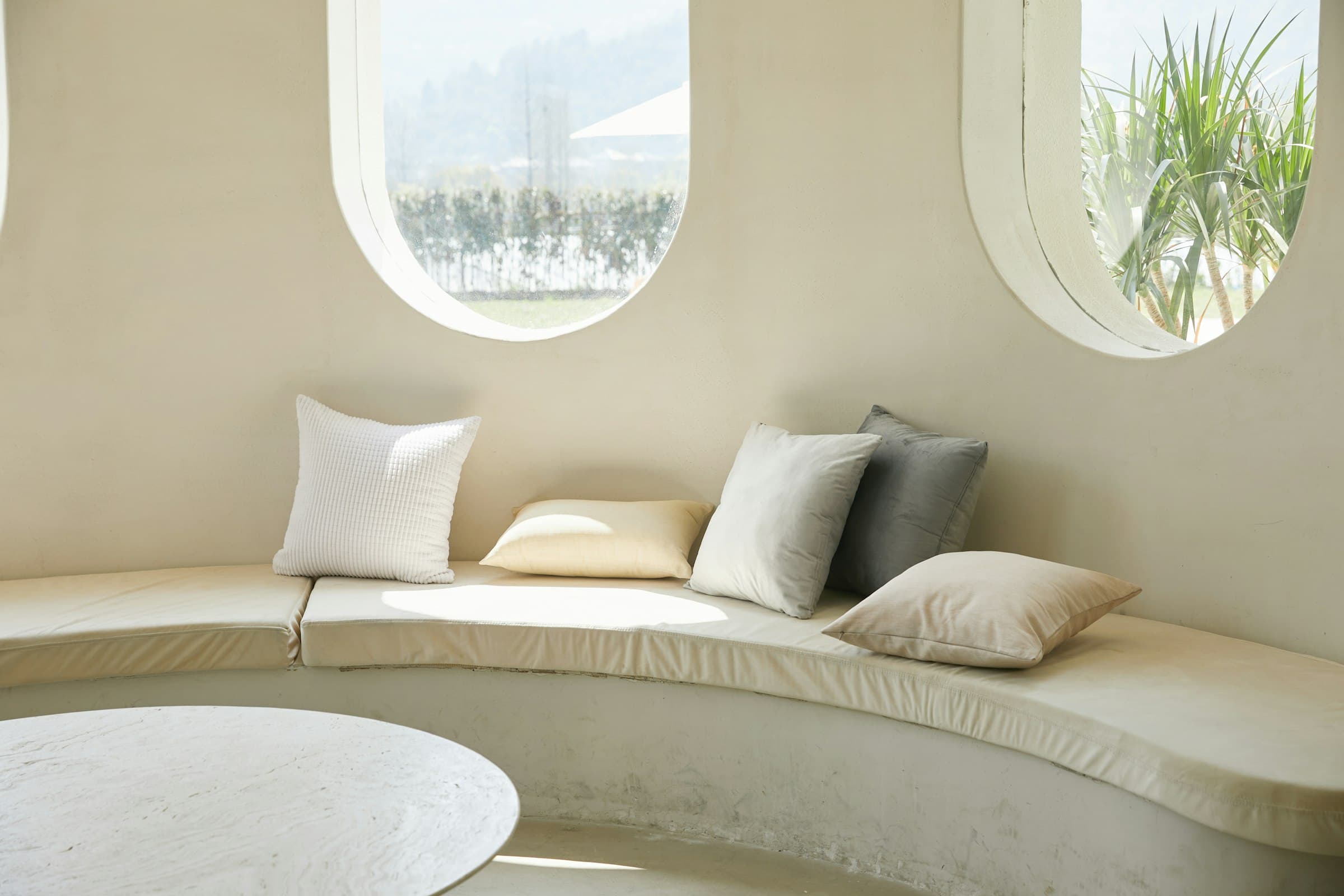
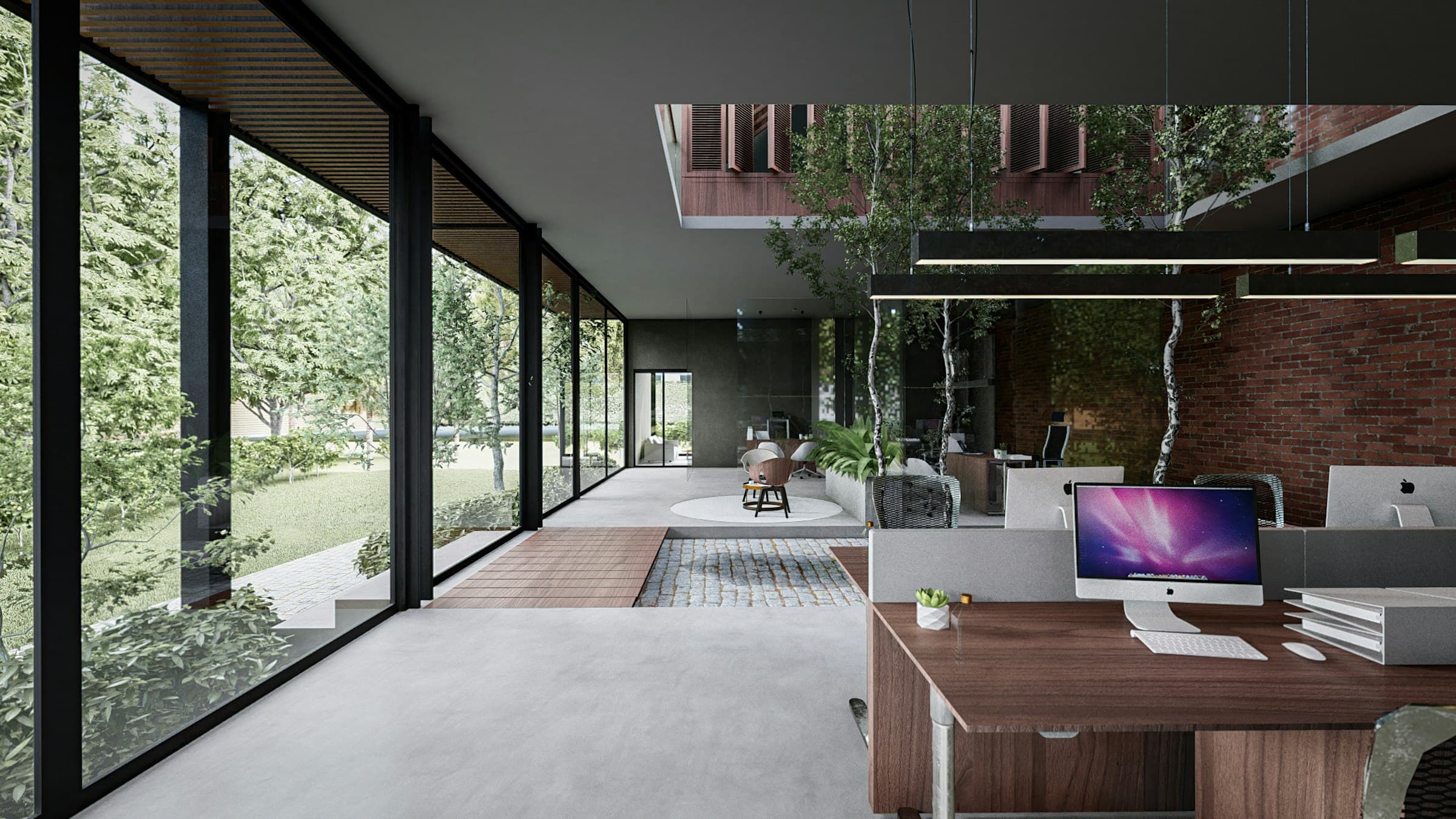
Natural light is much more than a simple source of illumination; it is an essential nutrient for our body and mind. Our circadian rhythms, which regulate sleep, mood, and energy, are intrinsically linked to cycles of light and darkness. A home designed to maximize the entry of sunlight not only reduces the need for artificial lighting but also promotes a more vital and cheerful environment. Large windows, interior patios, and strategic openings allow light to travel and play with spaces, creating a sense of spaciousness and connection to the outdoors.

Thinking about natural light also involves considering how it interacts with materials and textures. Clear surfaces and finishes that reflect light can amplify its effect, while soft shadows can add depth and character. It is a daily choreography between the sun and your space, continually transforming the atmosphere of your home.
Organic materials and the connection to the earth
Biophilic design invites us to bring nature indoors not only visually but also through the materials we choose. Untreated woods, natural stone, terracotta, and textiles made from organic fibers such as linen or cotton are not only aesthetically pleasing but also convey a sense of authenticity and warmth. These materials have textures and scents that connect us to the earth, reminding us of our own organic nature.
By preferring materials that have undergone minimal processing, we reduce the presence of chemicals and toxins in our spaces, creating a purer and healthier environment. This conscious choice contributes to a home that breathes, a home that nourishes and grounds us in the present.
The living presence of plants
We cannot talk about biophilic design without mentioning the vital role of plants. Beyond their aesthetic beauty, indoor plants purify the air, regulate humidity, and add a touch of vitality that no other decoration can match. Studies have shown that the presence of plants can reduce stress, improve concentration, and foster an overall sense of well-being.
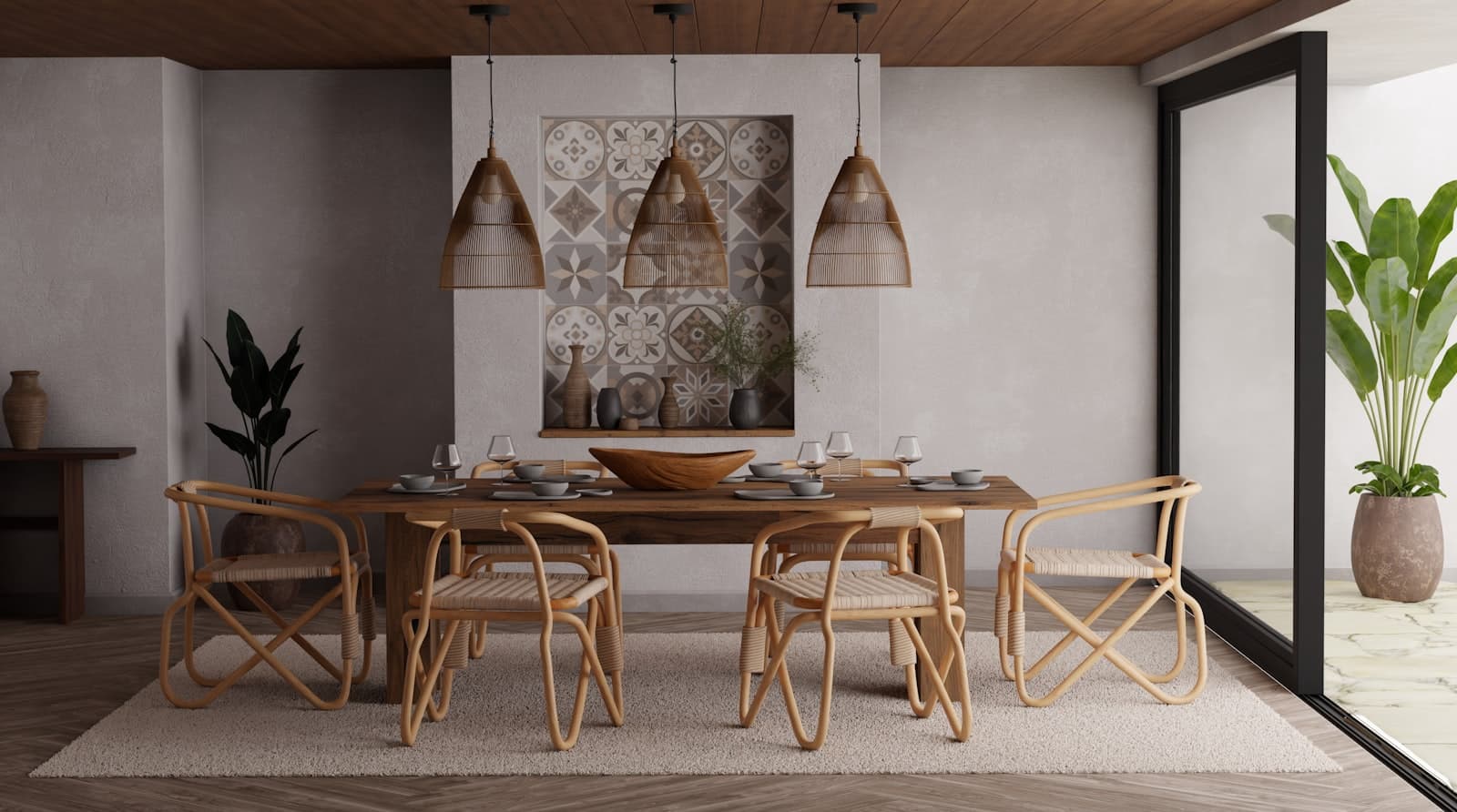
Integrating greenery into your home can be as simple as adding a few pots in strategic corners or as elaborate as creating green walls or indoor gardens. The key is to choose species that adapt to the light and conditions of your space, allowing them to thrive and become silent companions in your daily life.
Flowing spaces: architecture at the service of calm
The architecture of a wellness home focuses on creating spaces that promote calm and fluidity. This is achieved through:
- Open layout: Allows energy and light to circulate freely, avoiding a feeling of confinement.
- Smooth transitions: Zones that connect organically, fostering an uninterrupted experience.
- Framed views: Design of windows and doors that frame natural landscapes, making the exterior an integral part of the interior.
- Indoor-outdoor connection: Spaces that blur the boundaries between the home and the surrounding nature, such as terraces, patios, and gardens that invite meditation or leisure.
In Soulful residences in San Miguel de Allende and Mérida, this philosophy is materialized in every detail. Each residence is designed to be a sanctuary, where biophilic design and natural light are fundamental pillars for creating an environment of calm and harmony. These are spaces where architecture not only houses but also heals and elevates.
By integrating biophilic design principles into your home, you are not just decorating; you are cultivating a lifestyle. You are creating a refuge that sustains your well-being, connects you with nature, and invites you to live with greater awareness and serenity. To explore more about how connecting with nature transforms our lives, visit our blog.