

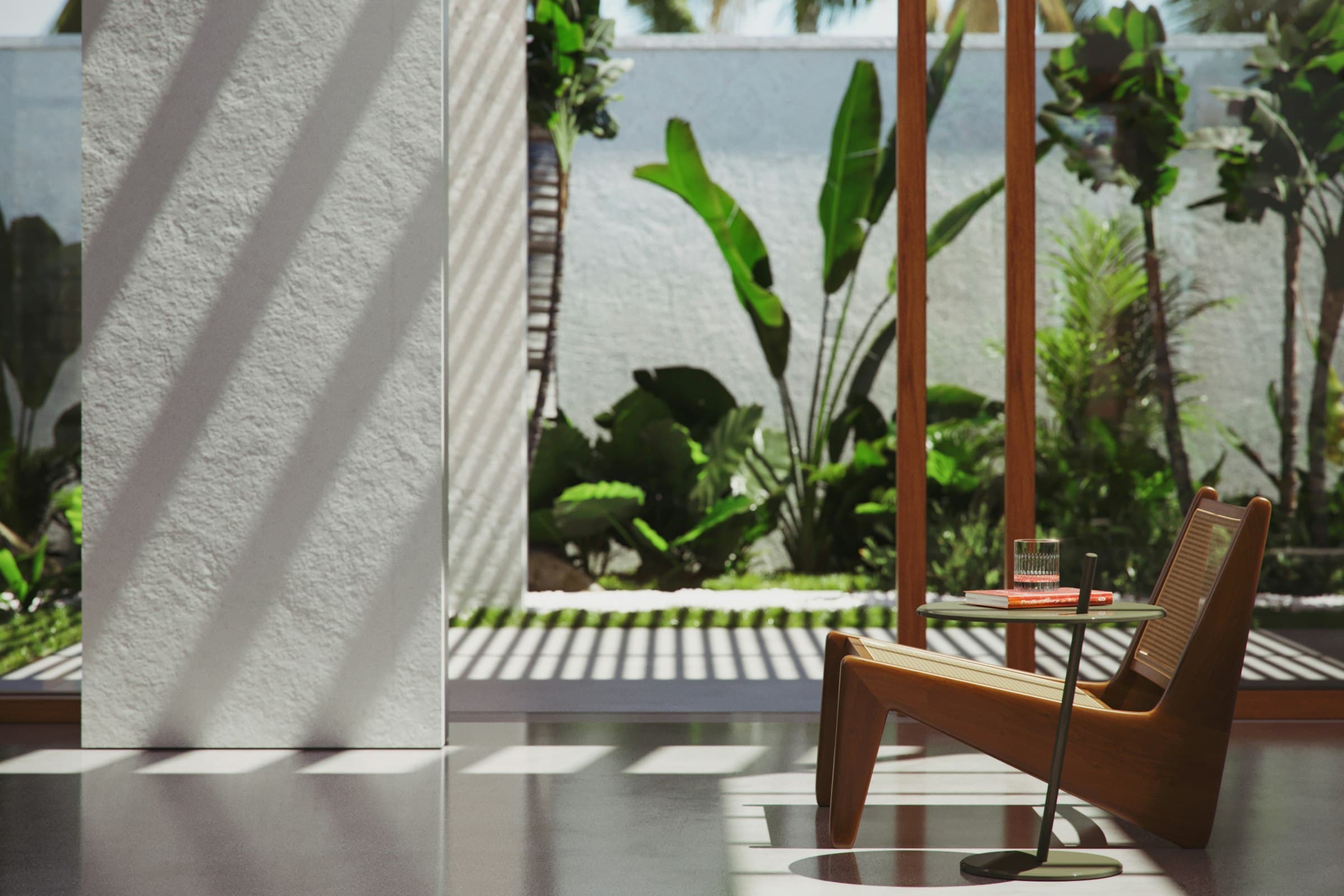
In the pursuit of a fulfilling life, we often focus on individual aspects such as diet or exercise. However, there are deeper elements that nourish our existence in subtle but powerful ways. One of them is the sense of belonging, the connection with other human beings. We are talking about community and well-being in a residence, a concept that goes beyond a simple roof and four walls to become a true sanctuary for the soul.
A home is not just a physical space; it is an emotional ecosystem. The quality of this ecosystem is intrinsically linked to the people we share it with, whether our direct family or the broader community around us. When we live in an environment that fosters positive interaction and mutual support, well-being emerges naturally.

The power of human connection in daily life
Neuroscience tells us that humans are hardwired for connection. Feeling part of something bigger than ourselves reduces stress, improves mood, and extends life. In a residence designed with a focus on well-being, this translates into spaces that invite gathering: shared gardens, collaborative workspaces, or kitchens where meals become celebrations. It's not about forcing interaction, but about creating fertile ground for it to flourish organically. Sharing a casual chat, exchanging ideas, or simply knowing that there are neighbors to count on, generates an invaluable emotional safety net. This connection is a silent antidote to loneliness, a modern epidemic affecting so many people.
Conscious residential design also considers individual privacy, allowing for a balance between personal retreat and openness to the community. It is the subtlety of a well-designed door that invites you in, but also to withdraw when needed. In places like our residences in San Miguel de Allende or Mérida, this duality is observed, where architecture respects both worlds.
The built environment and its influence on well-being
Beyond people, the physical environment of a residence exerts a profound influence on our mood and health. Natural light, contact with organic elements, the choice of sustainable materials, and indoor air quality are all factors that contribute to a sense of calm and vitality. A home that integrates with its natural surroundings, with views of serene landscapes or lush gardens, nourishes the spirit. Biophilia, the innate tendency to connect with nature, has been shown to reduce blood pressure, improve concentration, and foster creativity.
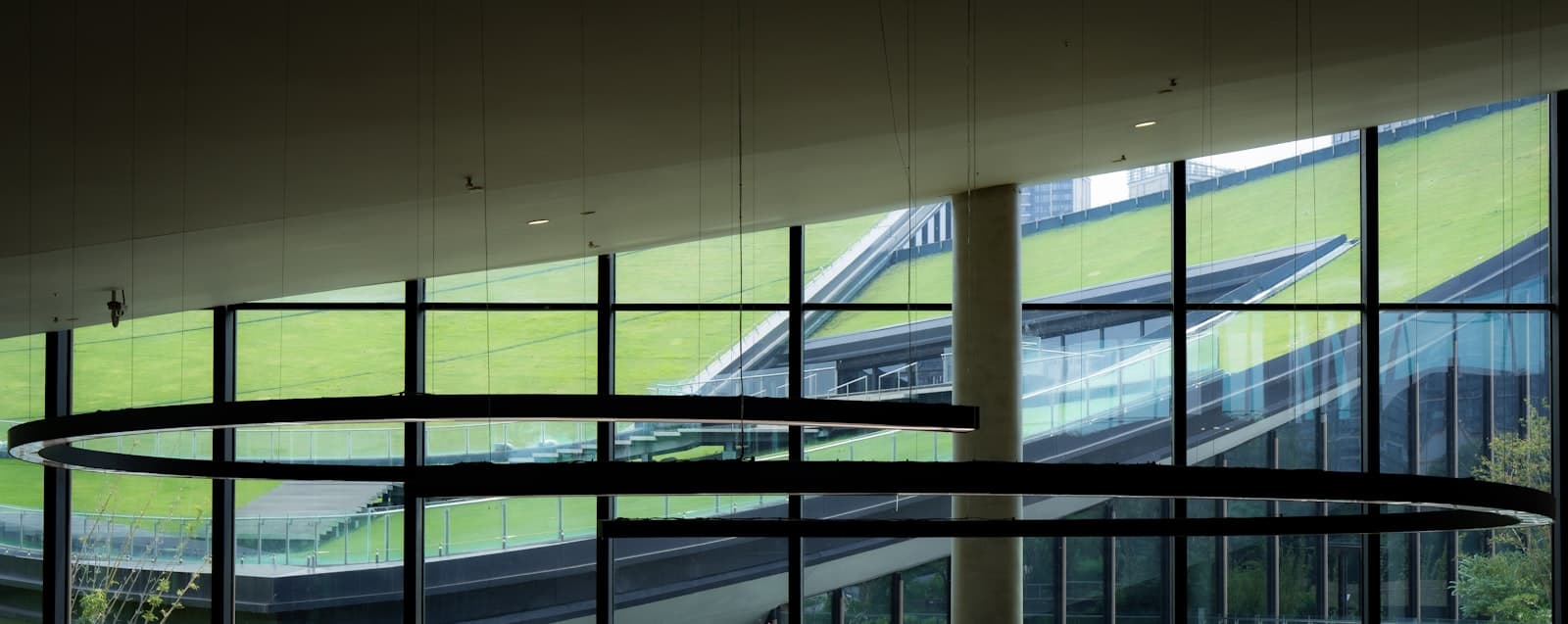
Thoughtfully designed spaces avoid overstimulation and promote relaxation. Soft colors, natural textures, and a design that prioritizes functionality without sacrificing aesthetics, create a sanctuary where the mind can rest and the body recover. Thinking about every detail, from the acoustics of a room to the fluidity of movement between spaces, is part of the well-being philosophy pursued in a Soulful residence.
Soulful Residences: weaving the web of life
At Soulful, we understand that well-being is not a destination, but a journey, and that the environment in which we live plays a fundamental role in that path. Our residences are conceived as ecosystems where architecture merges with nature and people find a space to flourish. It's not just about building houses, but about cultivating environments that inspire a more conscious and connected life. It is the promise of a life where every morning awakens with sunlight, fresh air, and the warm feeling of belonging to a community and well-being in a residence that uplifts you. We invite you to explore how an environment designed for the soul can transform your daily life and to learn more about our well-being experiences that complement this lifestyle.