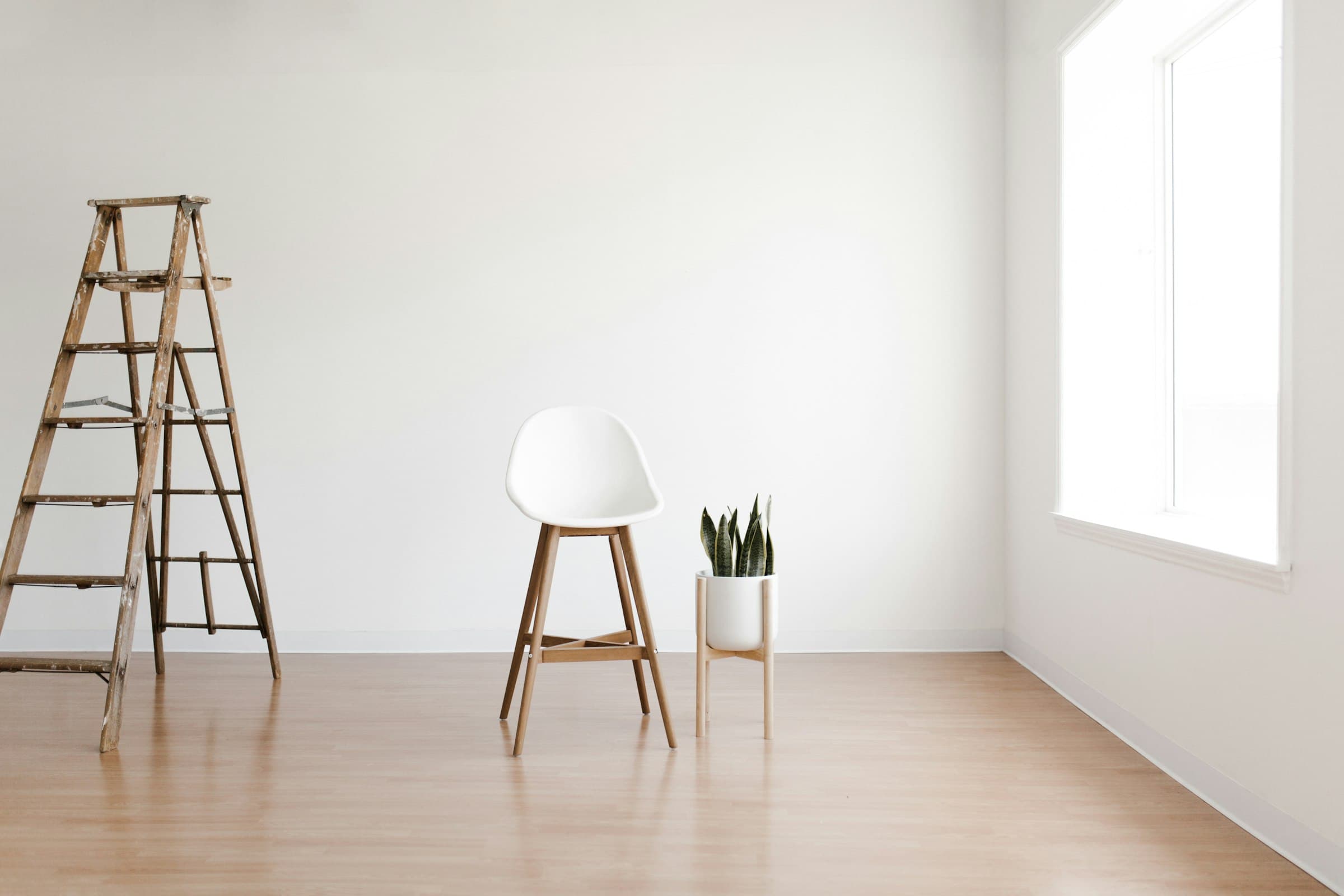

In the fast pace of modern life, home becomes more than just a refuge; it is the canvas where we paint our daily peace. Learning how to create a calm space at home is not a luxury, but a necessity to nourish our well-being. This space doesn't have to be an entire room; it can be a corner, a chair by the window, or even a nightstand, intentionally transformed for tranquility.
The way we interact with our physical environment profoundly influences our mental and emotional state. A cluttered space can generate anxiety, while a harmonious environment can foster relaxation and clarity. It's about consciously designing a place that invites you to breathe deeply, release the day's tensions, and reconnect with yourself.
Clearing the path: the importance of order
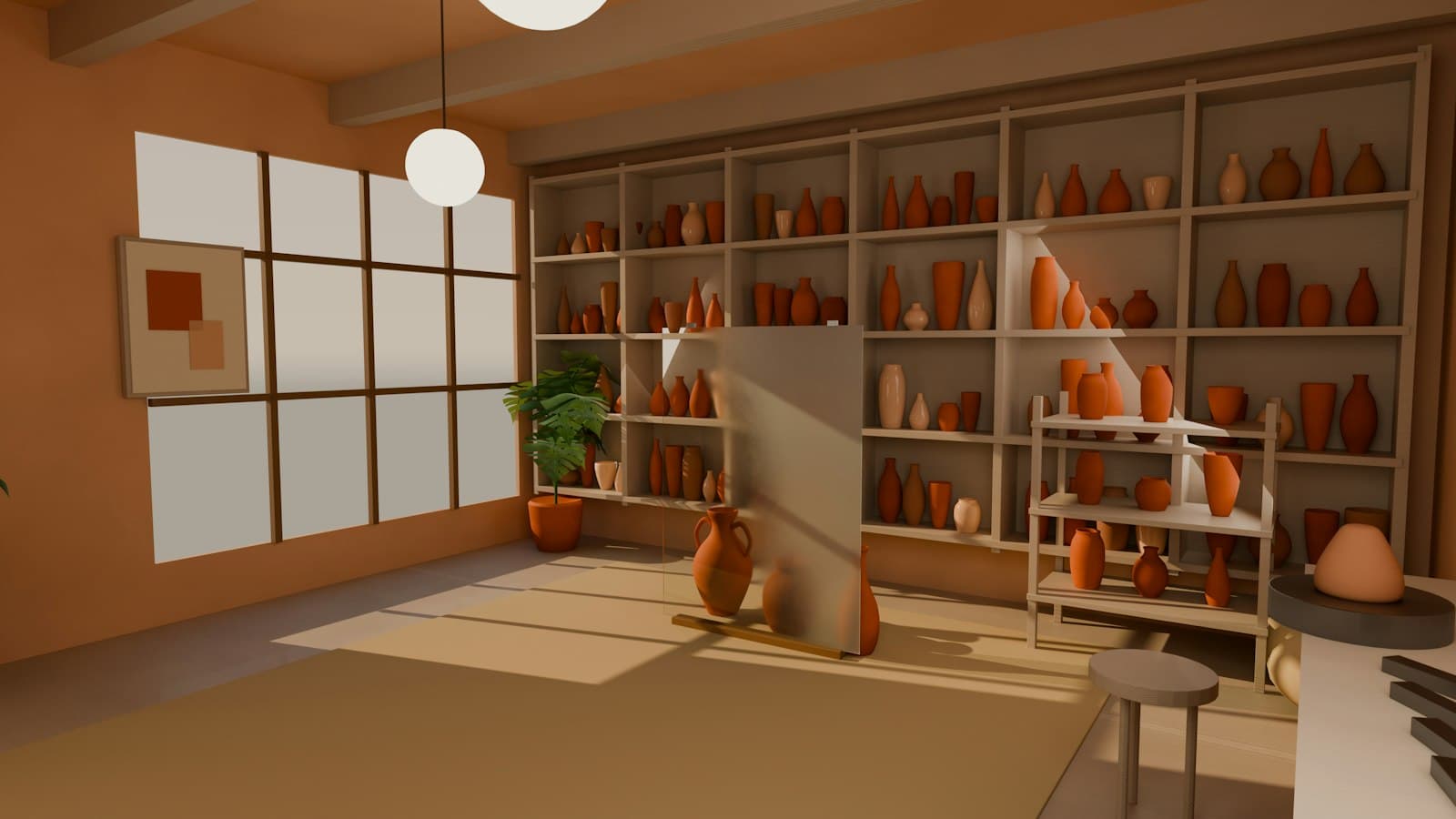
The first step towards a serene space is organization. Visual clutter often translates into mental clutter. It's not about living in a museum, but about eliminating the superfluous and giving everything a place. Start with a deep clean; get rid of what no longer serves you or brings you joy. This releases energy and allows calm to flow. Consider a minimalist approach, where every object has a purpose or aesthetic value.
The palette of tranquility: colors and textures
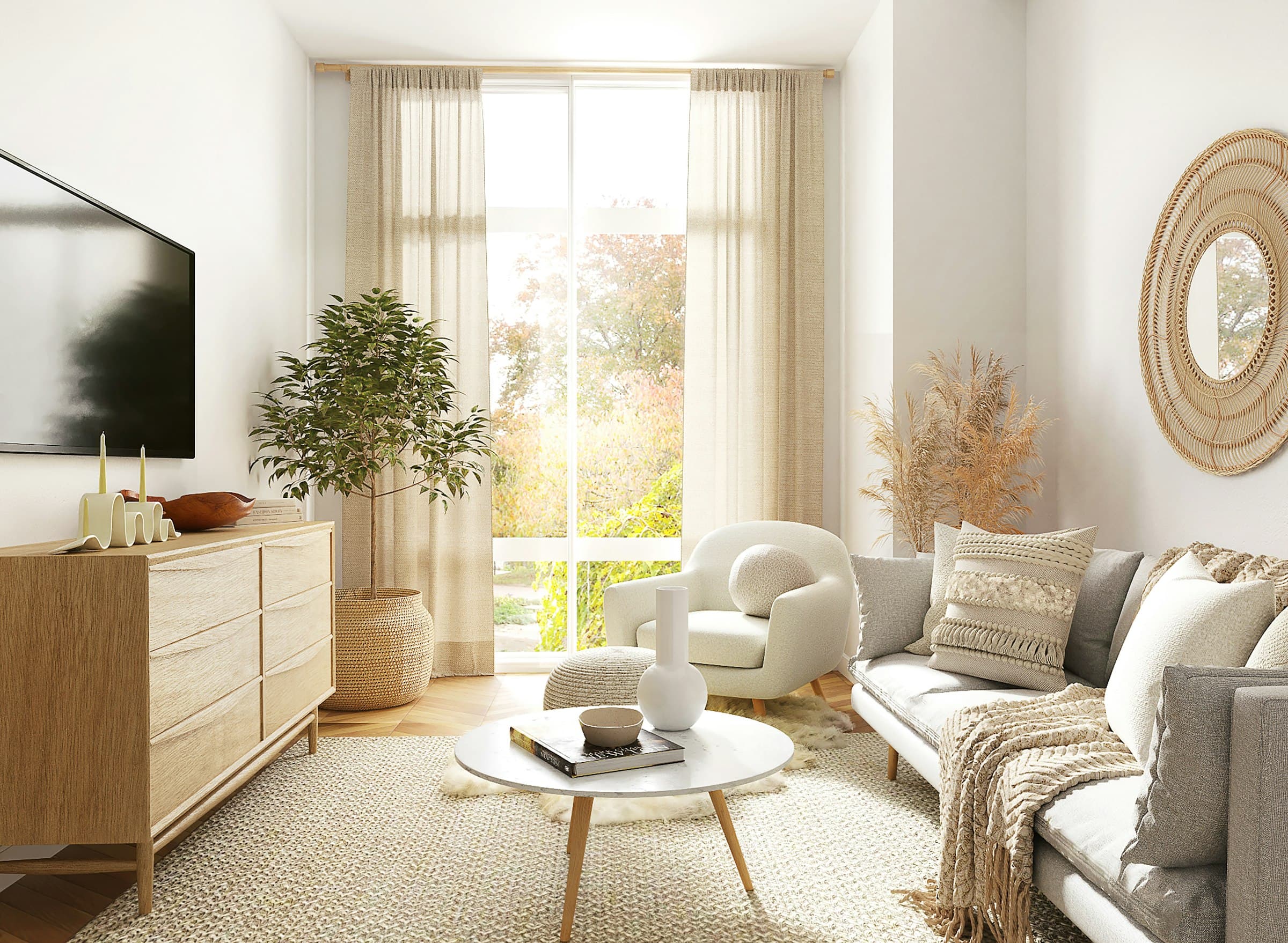
Colors have a direct impact on our mood. Opt for a palette of soft, neutral tones: warm whites, light grays, beiges, and pale greens or blues. These colors evoke a sense of openness and stillness. Combine them with natural textures like wood, linen, cotton, or wool. These materials are not only pleasant to the touch but also connect the space to the earth, adding a layer of authenticity and warmth.
Elements that whisper: light, sound, and scent
Natural light is invaluable. If possible, place your calm space near a window. At night, opt for soft, warm lighting: salt lamps, candles (with caution), or dim lights that invite relaxation. Regarding sound, seek silence or soft, repetitive sounds, like the murmur of a small fountain, tranquil instrumental music, or the sound of rain. Scents also play a crucial role. Use diffusers with essential oils like lavender, sandalwood, or bergamot, known for their relaxing properties, or simply a gentle incense that you enjoy.
Connection with nature: plants and organic elements
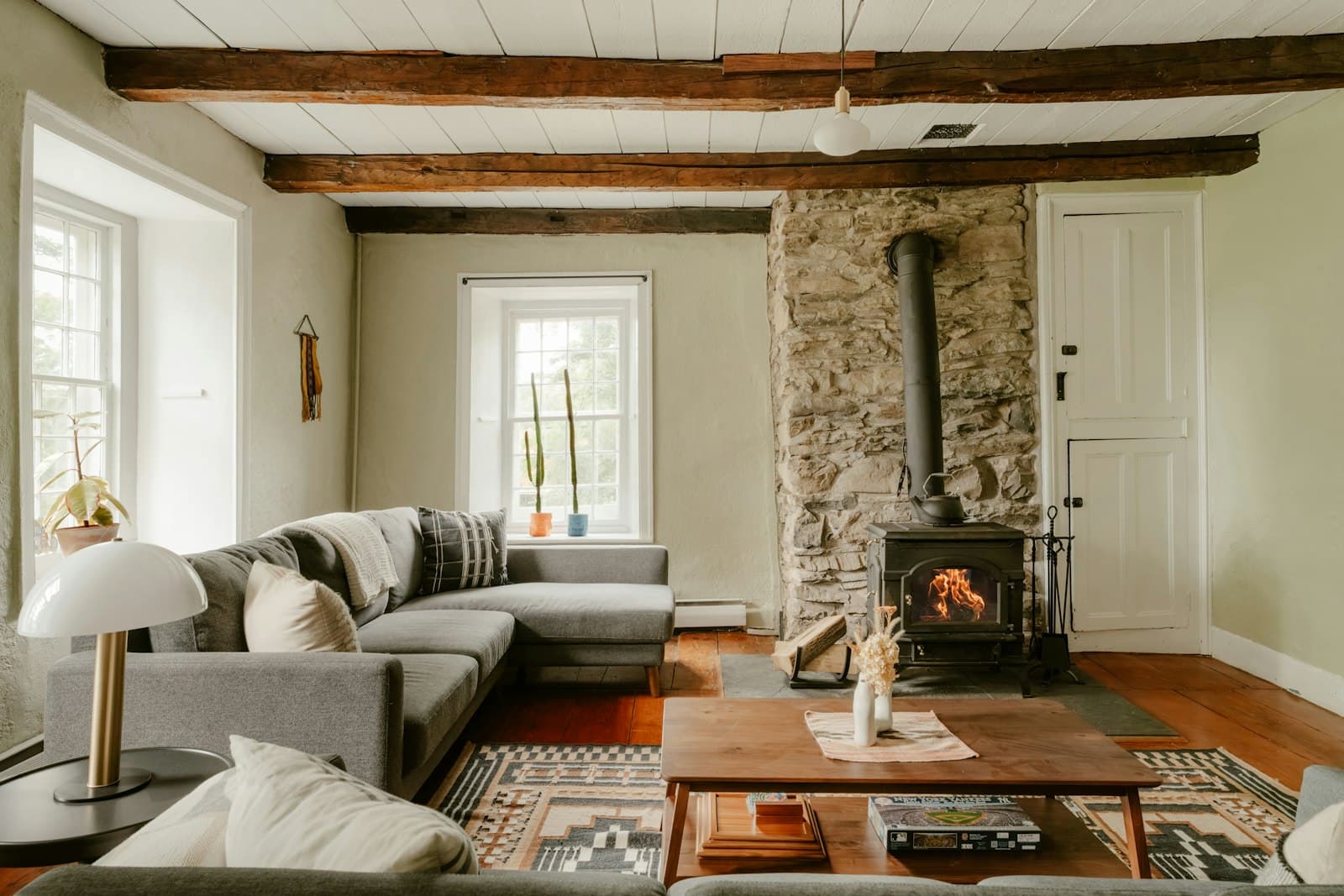
Integrating nature is one of the most effective ways to infuse calm. Plants not only purify the air but also add life and color. Choose low-maintenance indoor plants such as the peace lily, snake plant, or pothos. Incorporate natural elements like stones, shells, or a dried branch that reminds you of the beauty of the outdoors. This connection with nature grounds you and reminds you of the inherent wisdom of the living world. You can explore how Soulful incorporates these principles in our residences.
A place for ritual: intentionality and presence
Finally, a calm space is built with intentionality. It's not just about aesthetics, but how you use it. Design this corner for conscious practices: meditation, reading, journaling, or simply sitting in silence with a cup of tea. Consistency and presence are key. By dedicating time each day to this space, you imbue it with peaceful energy, turning it into a true sanctuary for your mind and spirit. Find more inspiration on our blog.
Creating a calm space at home is an act of self-care, an investment in your daily well-being that will resonate in every aspect of your life. It's a reminder that, even amidst the hustle, there is always a place you can return to find serenity.