
Our home is more than just a roof over our heads; it's a reflection of our inner world and a potential ally for our well-being. In a world that often feels fast-paced and noisy, knowing how to create a calm space at home has become a necessity. This isn't about expensive makeovers or following the latest design trends, but about making conscious choices that nourish our mind and body. A home that breathes tranquility can be our daily sanctuary, the place where we recharge and find genuine respite.
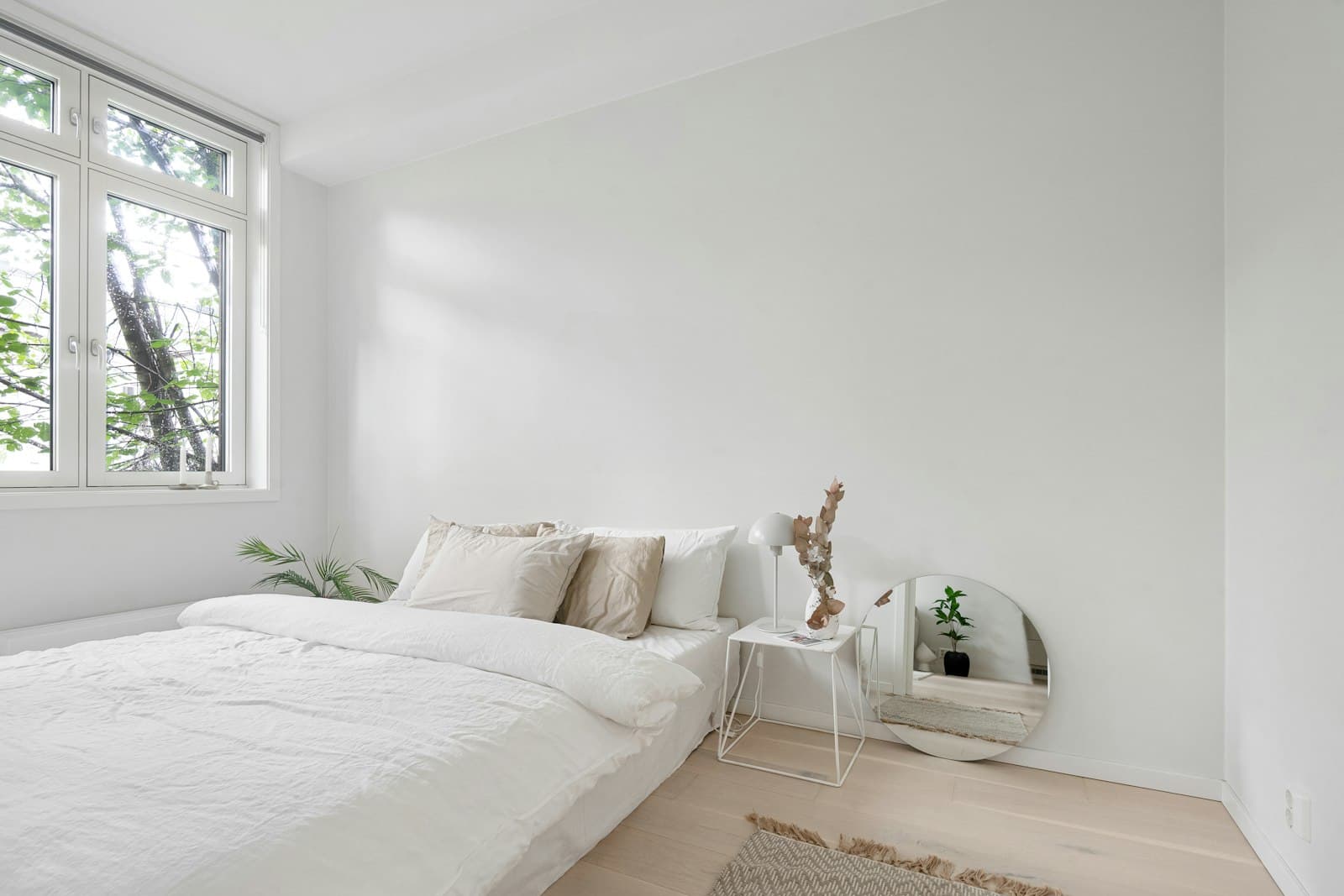
The magic of decluttering and clarity
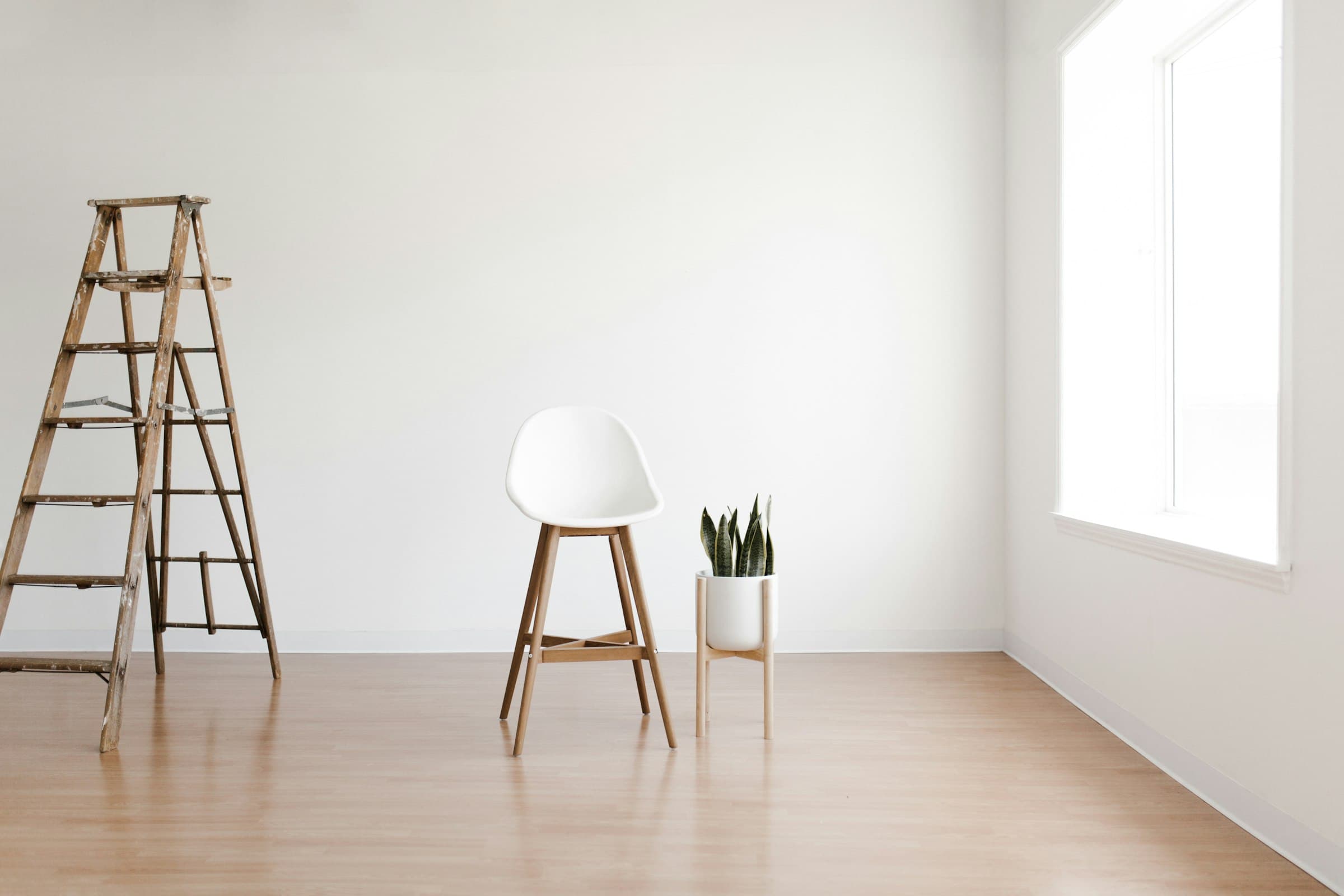
One of the first steps to cultivating calm is addressing clutter. We're not talking about magazine-perfect tidiness, but the feeling of lightness that comes with organization. Every object in our space should have a purpose or evoke joy. When a space is saturated with things we no longer need or use, our mind can also feel saturated. Take some time to tidy a drawer, a shelf, or a room. You'll notice how, as you clear the physical space, something within you also clears.
Colors and textures that embrace the soul
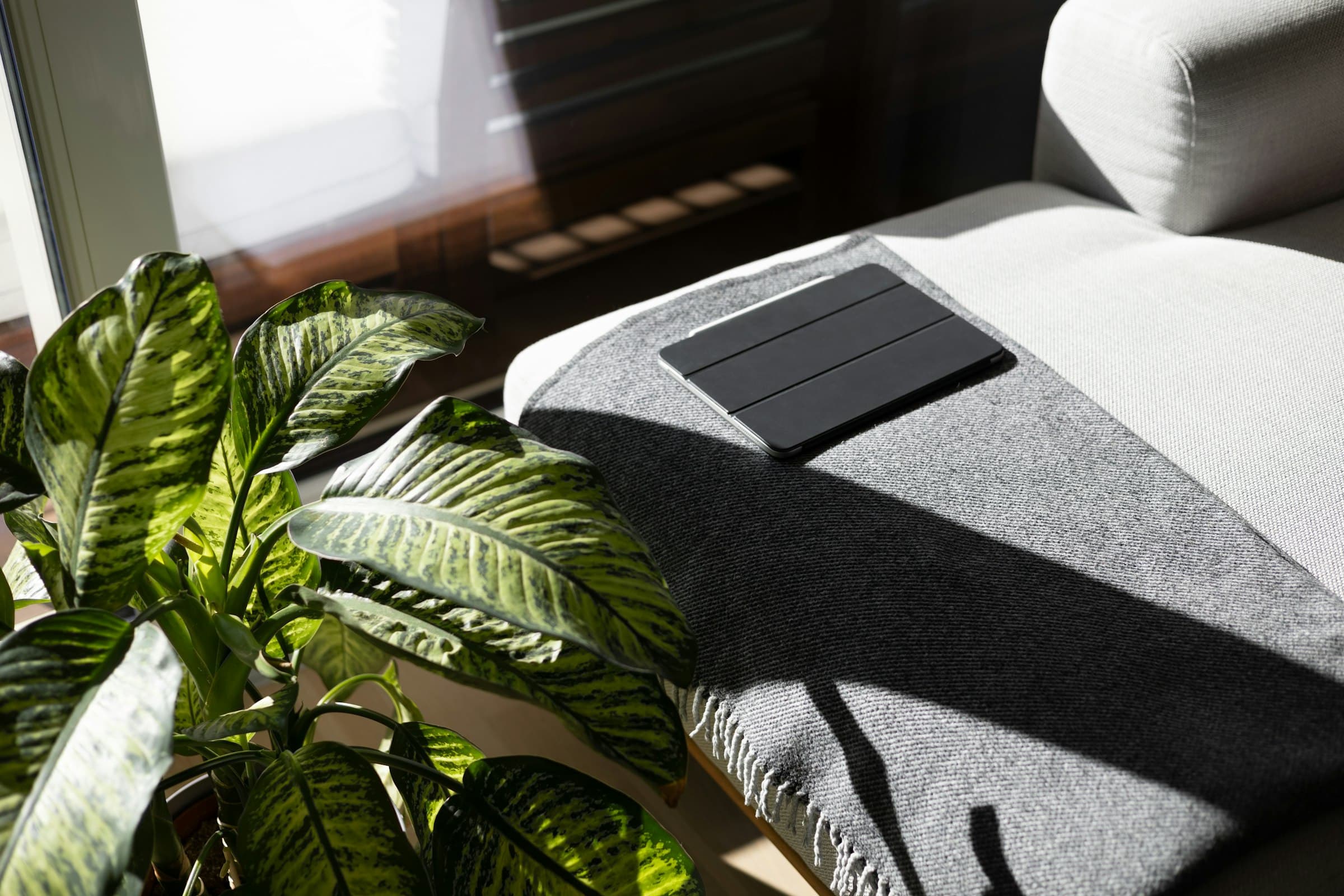
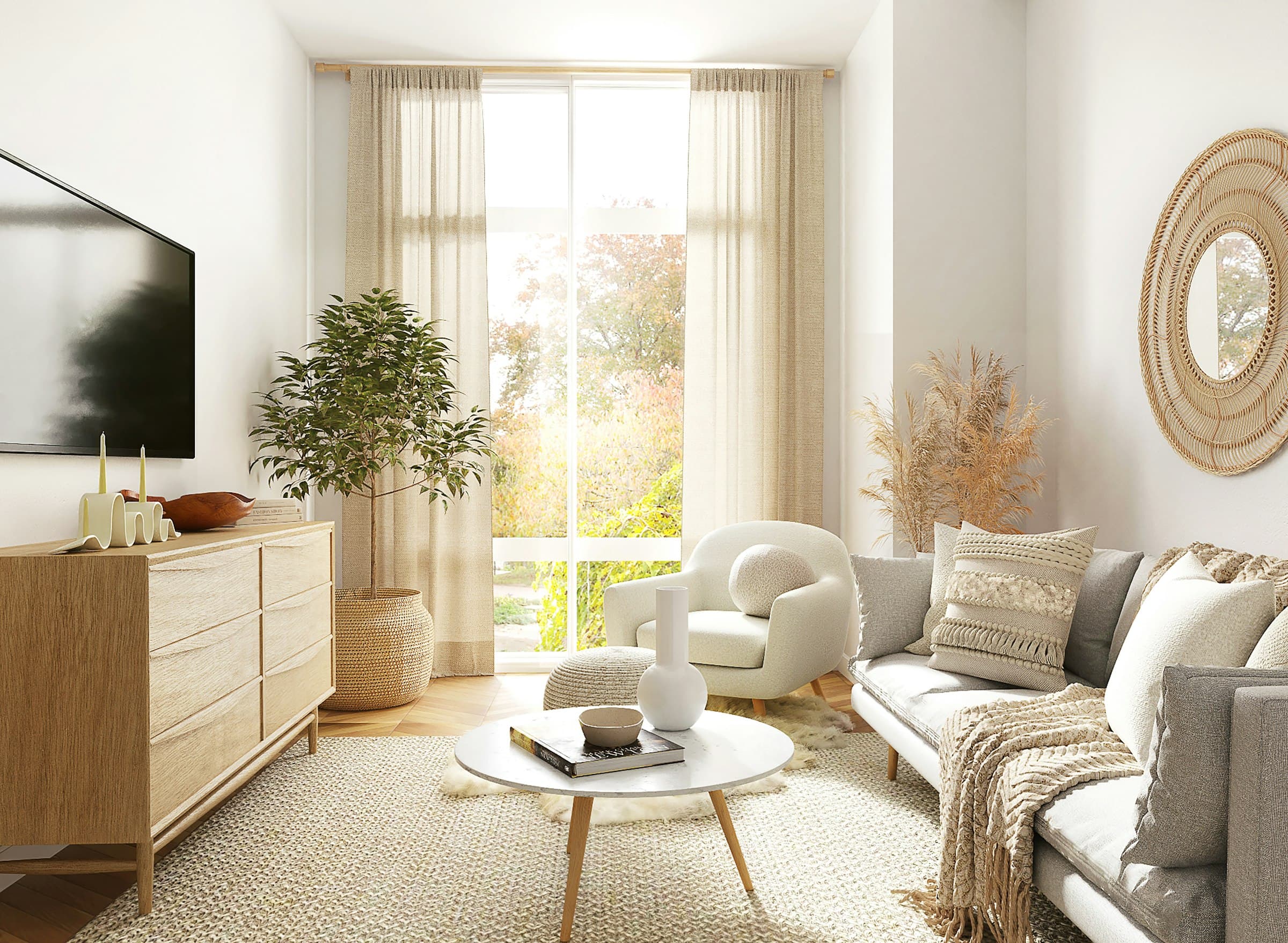
Colors have a profound impact on our mood. For a calm space, think of tones that ground you or remind you of the vastness of the sky. Soft neutrals, botanical greens, and serene blues are wonderful choices. Combine them with natural textures like wood, linen, cotton, or ceramic. These materials are not only aesthetically pleasing but also connect us to the authenticity and simplicity of nature. Consider a cozy armchair with a soft linen fabric or a thick wool blanket that invites rest.
The dance of light and shadow
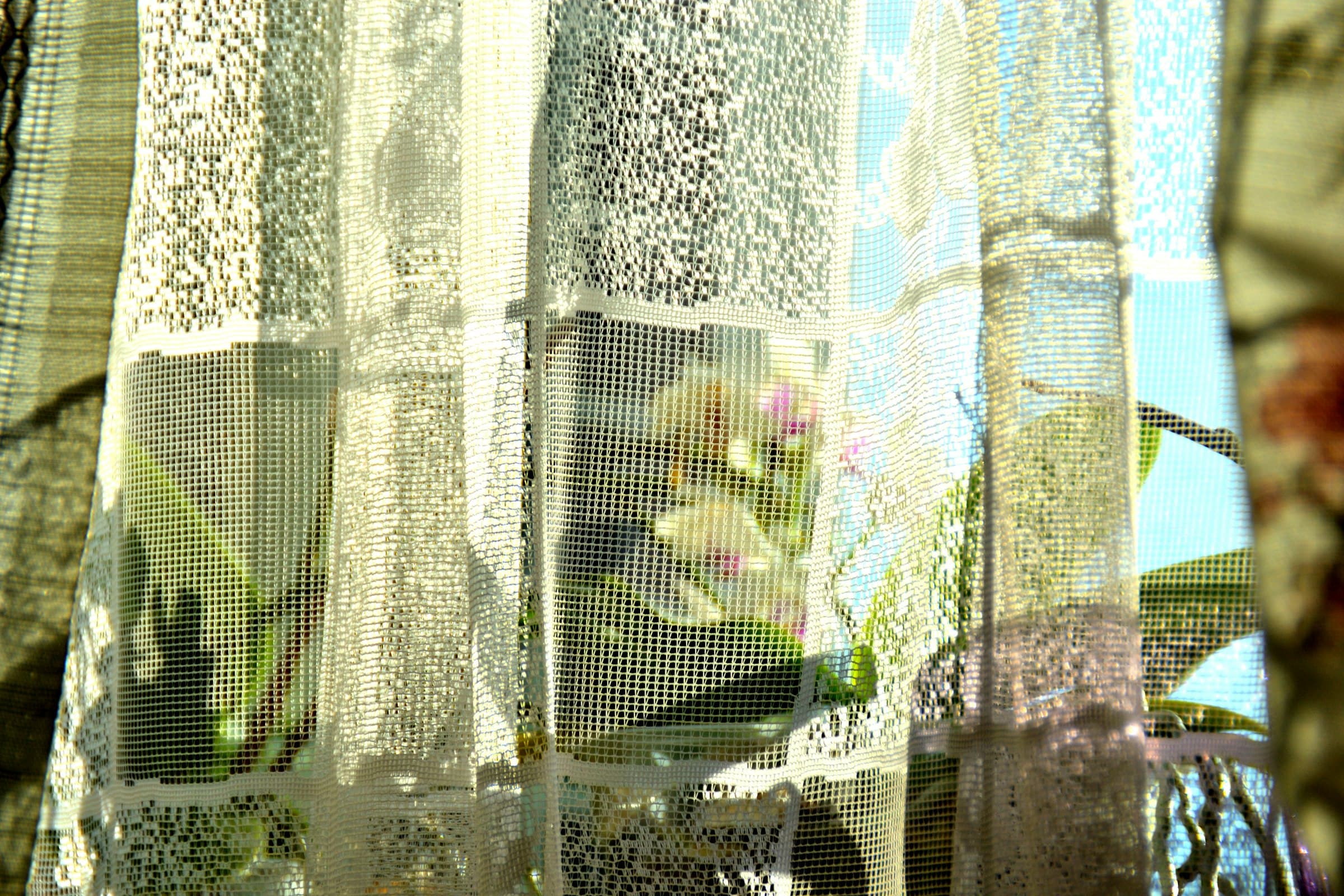
Natural light is a vital source of energy and well-being. Ensure your spaces allow sunlight to pass through as much as possible. Light, translucent curtains can filter the light, creating a soft and ethereal atmosphere. At night, artificial lighting plays a crucial role. Avoid harsh, white light; opt for warm, dimmable lights that can adapt to different times of day. Salt lamps or candles can add an intimate and serene touch, ideal for moments of meditation or reflection.

Sounds that heal, aromas that uplift
Calm is not only seen; it's also heard and smelled. Consider what sounds surround you in your home. Is there excessive noise? Perhaps an air purifier with a gentle hum, an indoor water fountain, or even soft, tranquil music can transform the ambiance. As for aromas, essential oils like lavender, sandalwood, or bergamot can have profoundly relaxing effects. A diffuser or aromatic candles can infuse your home with fragrances that calm the nervous system and uplift the spirit.
Living elements: nature's pulse at home
Integrating nature into your home is one of the most effective ways to instill calm. Plants not only purify the air but also bring life, color, and a sense of freshness. Choose low-maintenance houseplants if you're a beginner, such as Sansevieria or Pothos. A small herb garden in the kitchen or fresh flowers in a vase can make a big difference. Observing their growth connects us to the natural cycle and reminds us of the beauty of patience and life.
Creating a mindful nook
Finally, consider designating a small corner in your home specifically for calm. It could be a meditation cushion by a window, a comfortable chair with a book, or a space for practicing yoga. This nook doesn't need to be large, just a dedicated space where you can disconnect from the outside world and reconnect with yourself. This is an essential step in cultivating a lasting sanctuary, and it's a practice we also explore in our wellness experiences. Ultimately, creating a calm space at home is an act of self-love and an investment in your daily well-being.